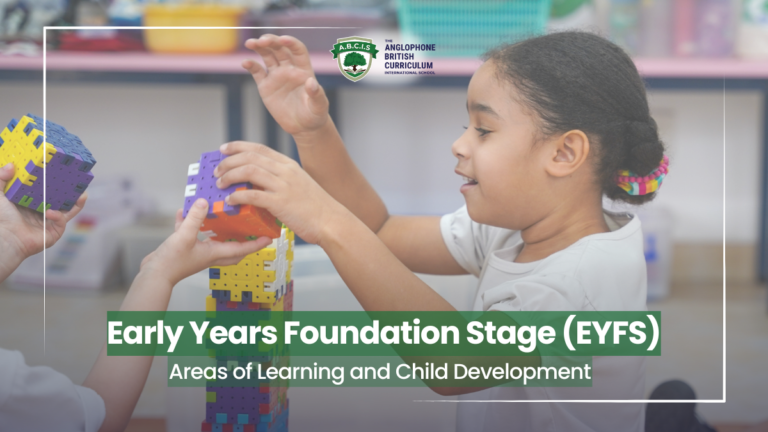
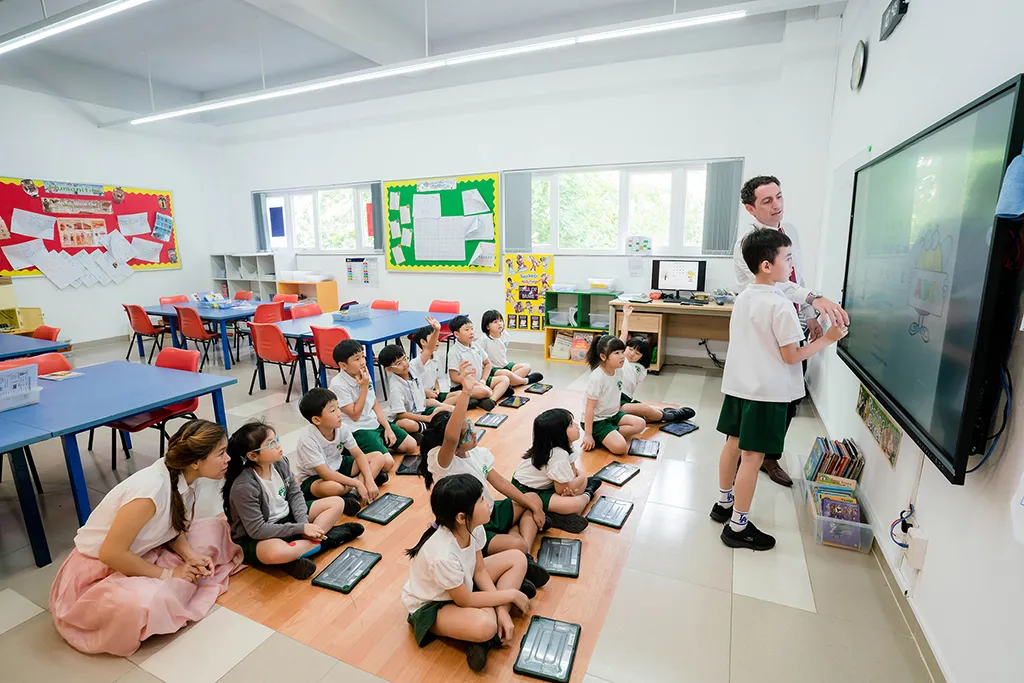
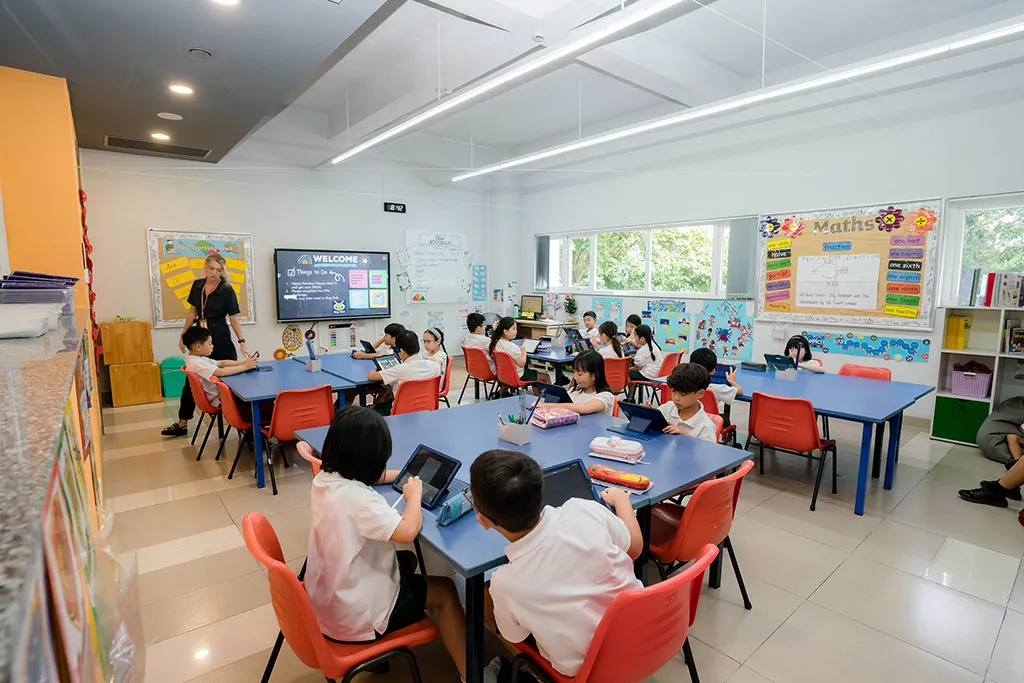
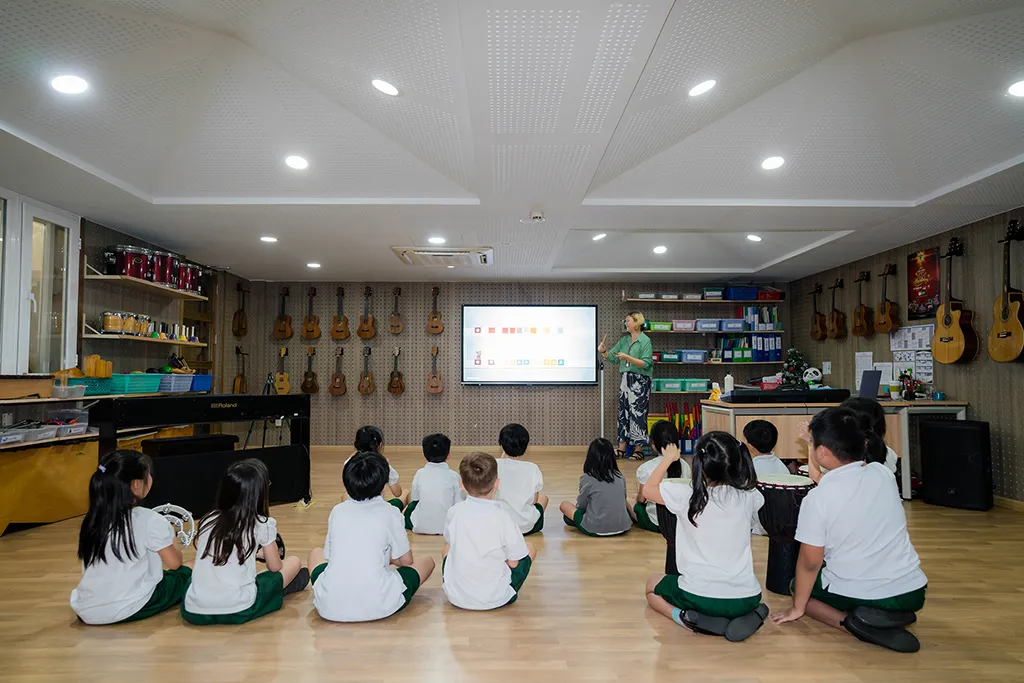
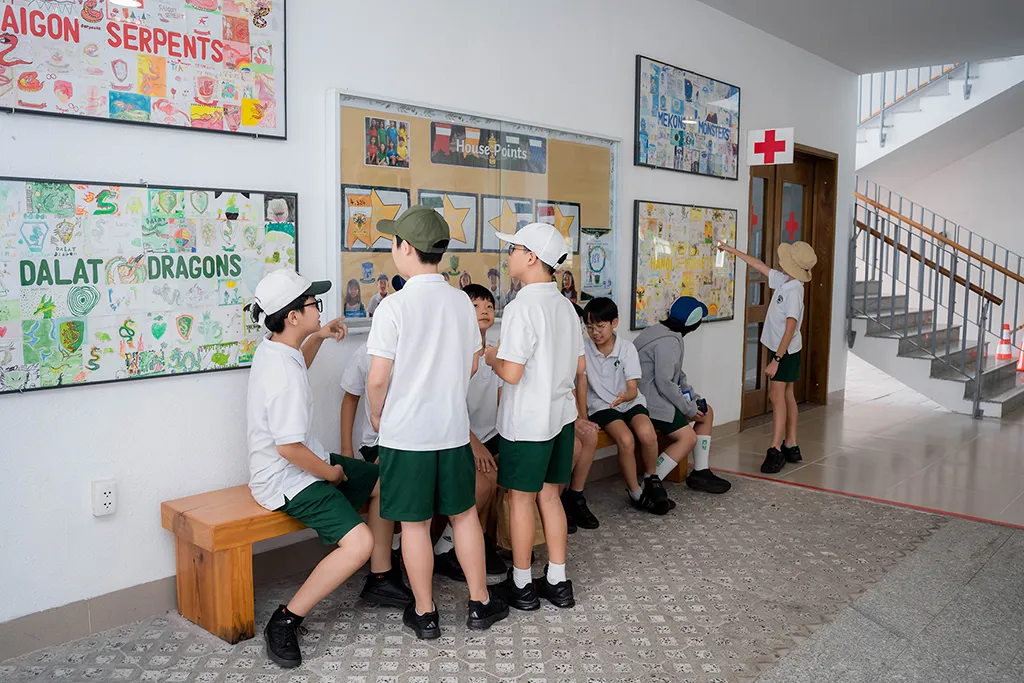
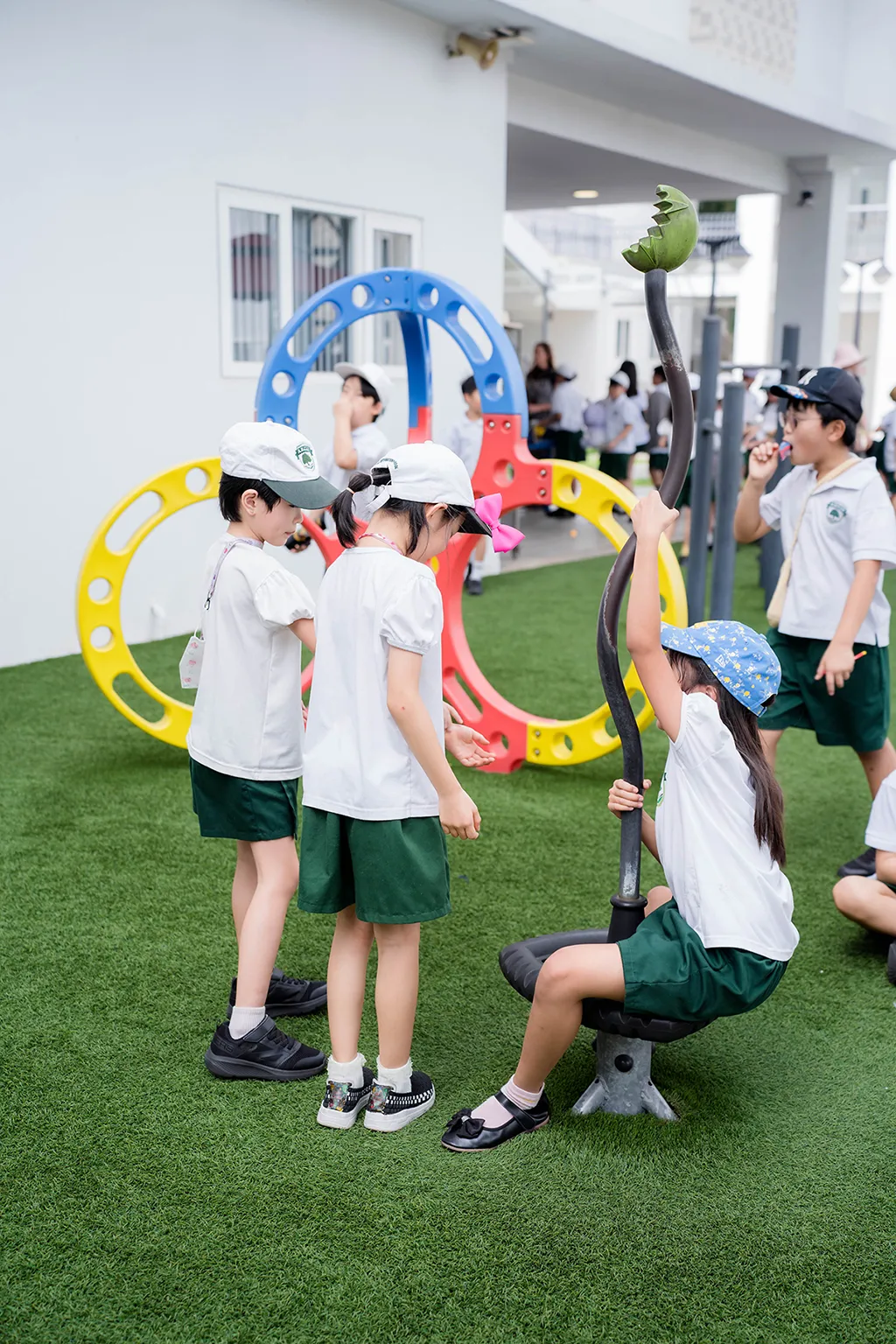
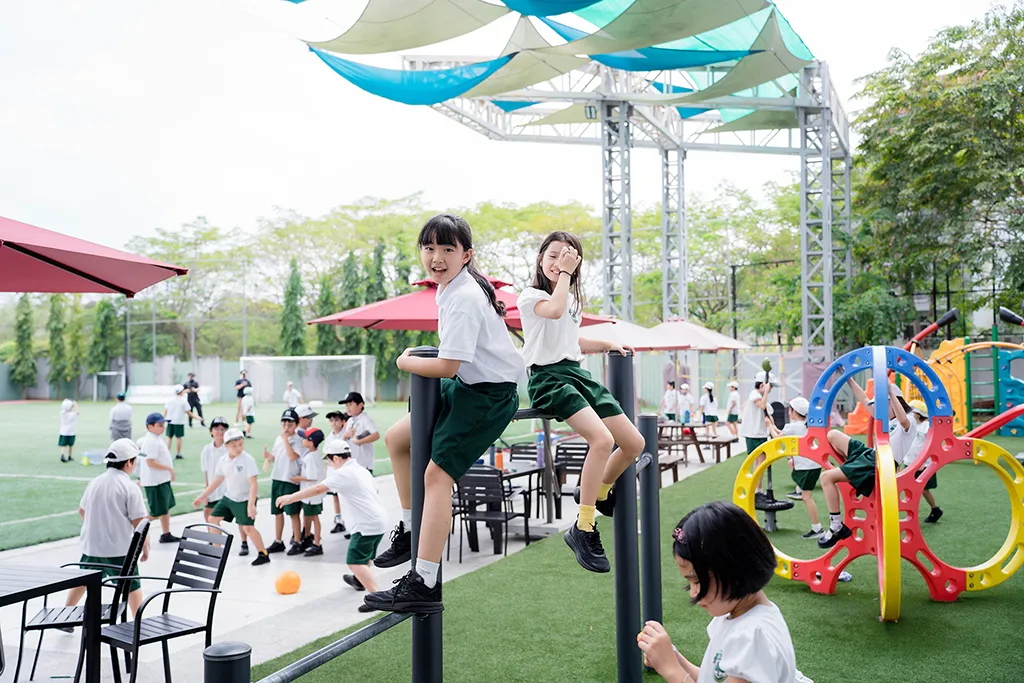
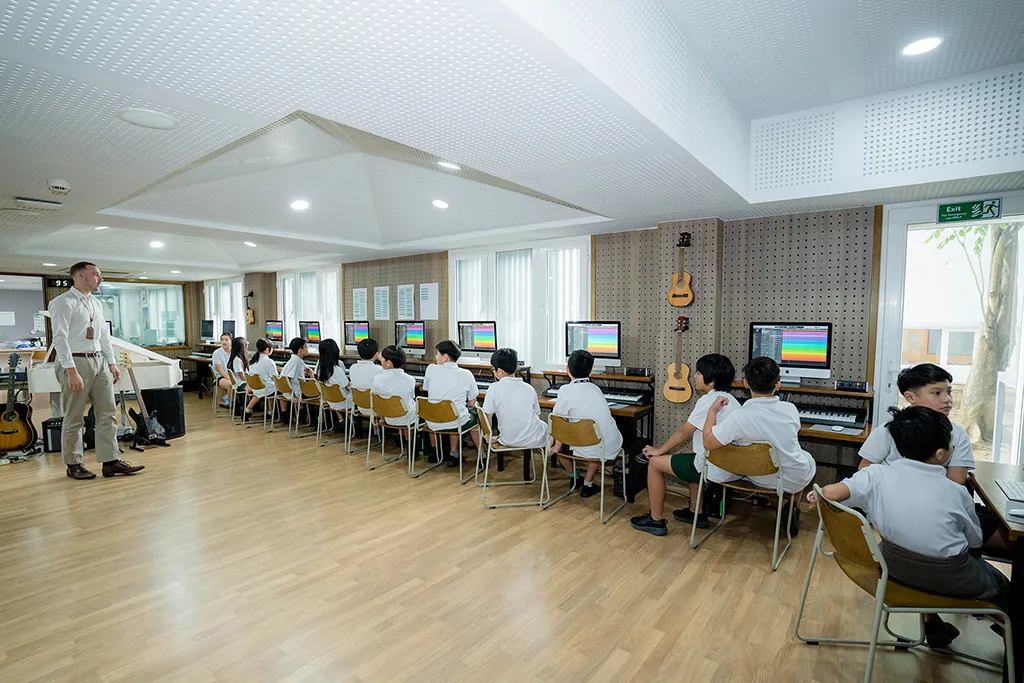
Play-based learning is an approach where children learn through play that teachers plan with a purpose. Children explore, build, pretend and solve problems. Teachers…
Higher education is the stage of learning that comes after secondary school, the universities, colleges, and specialist institutions where students earn degrees, diplomas, and…
The nine types of intelligence are linguistic, logical-mathematical, spatial, musical, bodily-kinaesthetic, interpersonal, intrapersonal, naturalistic, and existential. They come from Howard Gardner’s Theory of Multiple…
A-Levels (General Certificate of Education Advanced Level) are the UK’s principal pre-university qualifications, taken by students aged 16–18 over two years in Sixth Form.…
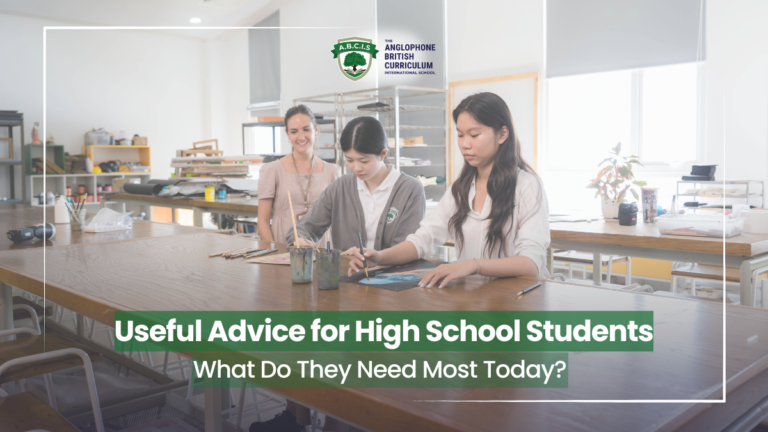
High school can feel overwhelming as students balance academic pressure and personal growth. Advice to high school students help them stay focused, build resilience,…
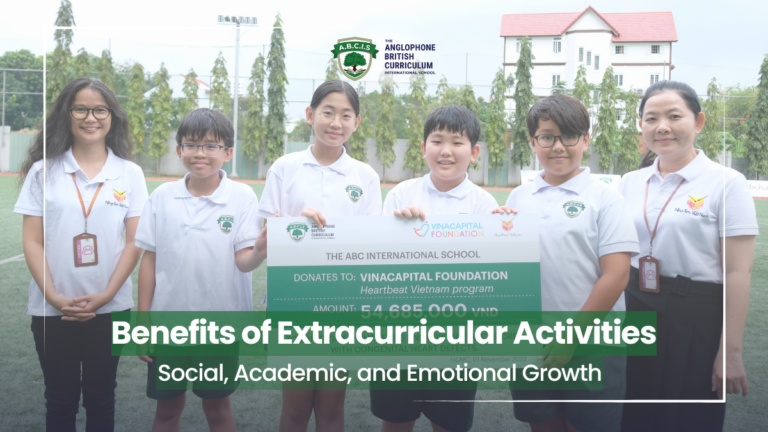
For parents, particularly those in an international school community, guiding a child’s education involves more than just academics. A common question is whether after-school…



 Blogs