

Play-based learning is an approach where children learn through play that teachers plan with a purpose. Children explore, build, pretend and solve problems. Teachers guide the play towards clear learning goals.
Many parents see play as a break from learning. For young children, it is how learning happens. At The ABC International School (ABCIS), play sits at the heart of our Early Years.
This article explains play-based learning, from the types of play to the benefits. It also covers how British schools use it and how to support it at home.
Key Takeaways
- Play is how young children learn. It builds language, thinking, social skills and confidence.
- It is planned, not random. Teachers design play around clear learning goals.
- The British curriculum requires it. The EYFS framework calls play essential for development.
- It prepares children for school. Skills built through play underpin reading, writing and maths.
- You can support it at home. Everyday play becomes learning with the right questions.
What Is Play-Based Learning?
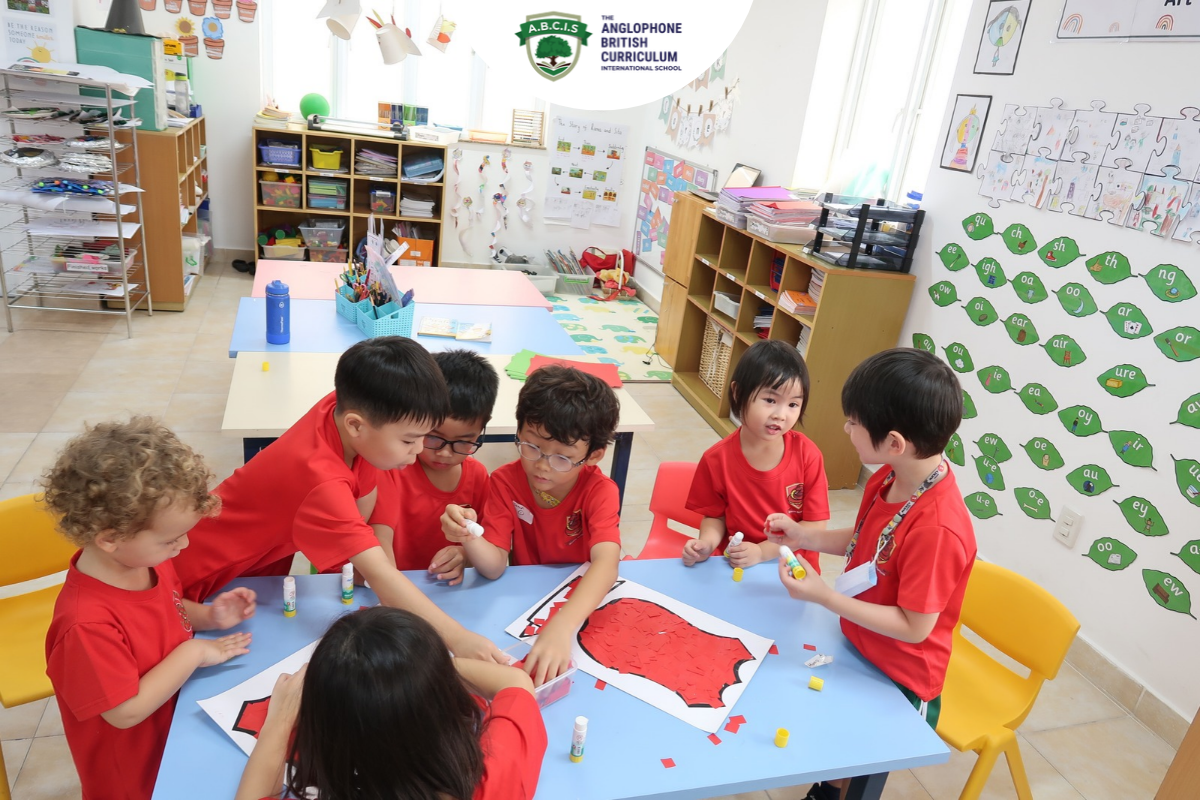
Play-based learning uses play as the main way children learn in their early years. It builds on children’s natural curiosity rather than working against it.
Play vs Play-Based Learning
All play has value, but not all play is play-based learning. The difference is intention.
In play-based learning, teachers set up the environment, watch closely and step in at the right moment. A question or a new material can turn simple play into real learning.
“Học mà chơi, chơi mà học”
Many Vietnamese families know this saying: learn while playing, play while learning. It captures play-based learning perfectly.
The idea is not new. What modern research adds is a clearer picture of how and why it works.
Who Leads the Play?
Play-based learning is not one single activity. It moves along a spectrum, from play children lead to play teachers lead.
| Type of play | Who leads | The adult’s role | Example |
|---|---|---|---|
| Free play | The child | Provides materials and keeps children safe | Building whatever they like with blocks |
| Guided play | Shared | Asks questions and adds new ideas | “How could we make the tower taller?” |
| Adult-led play | The teacher | Sets a clear goal and models skills | A counting game with simple rules |
Good classrooms use all three. Children need freedom to explore and adults who know when to step in.
The Main Types of Play
Pretend and Role Play
Playing shop, doctor or family lets children try out real-world roles. It builds language, empathy and imagination.
Construction Play
Blocks, bricks and boxes teach early maths and engineering. Children learn about size, balance and cause and effect.
Physical Play
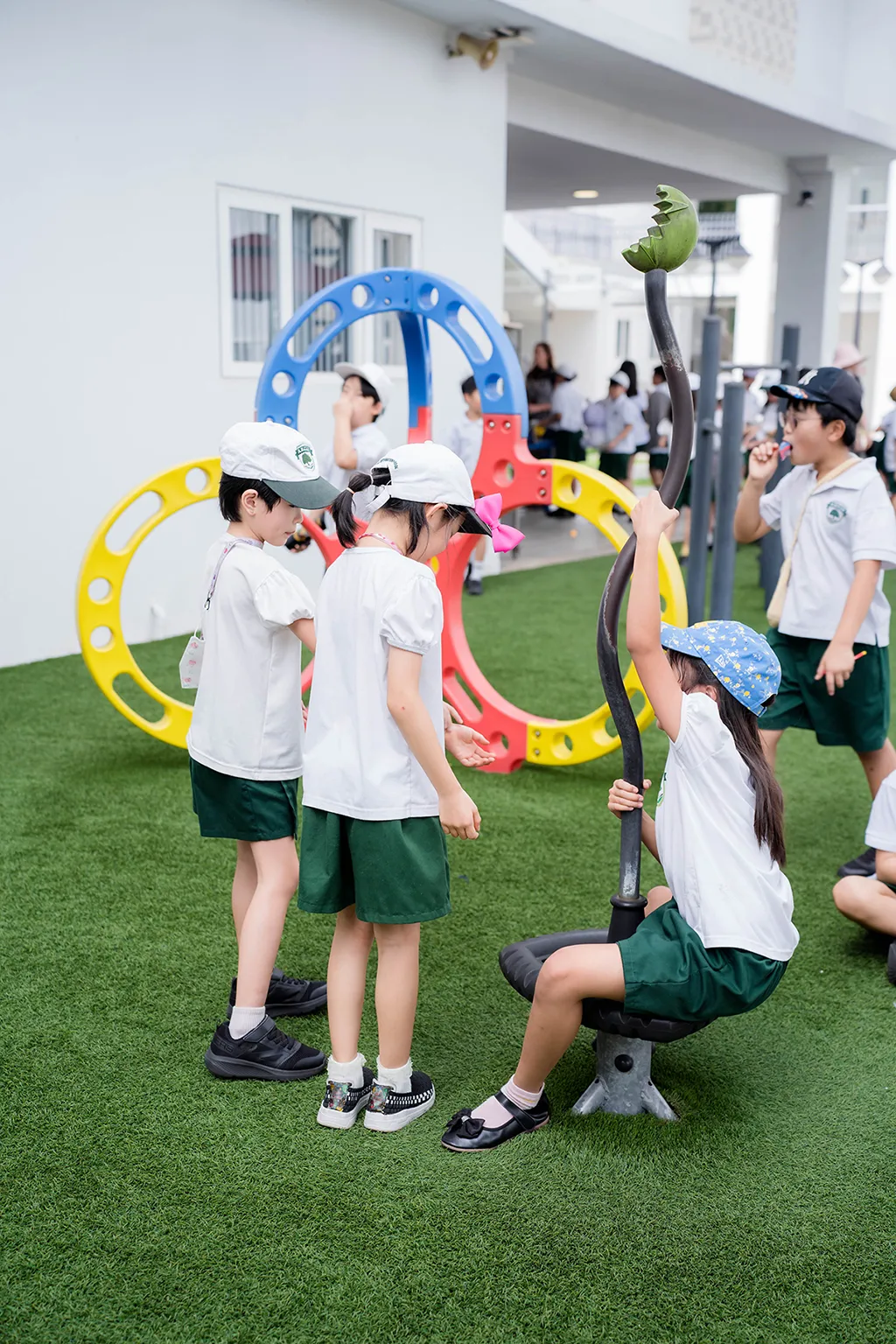
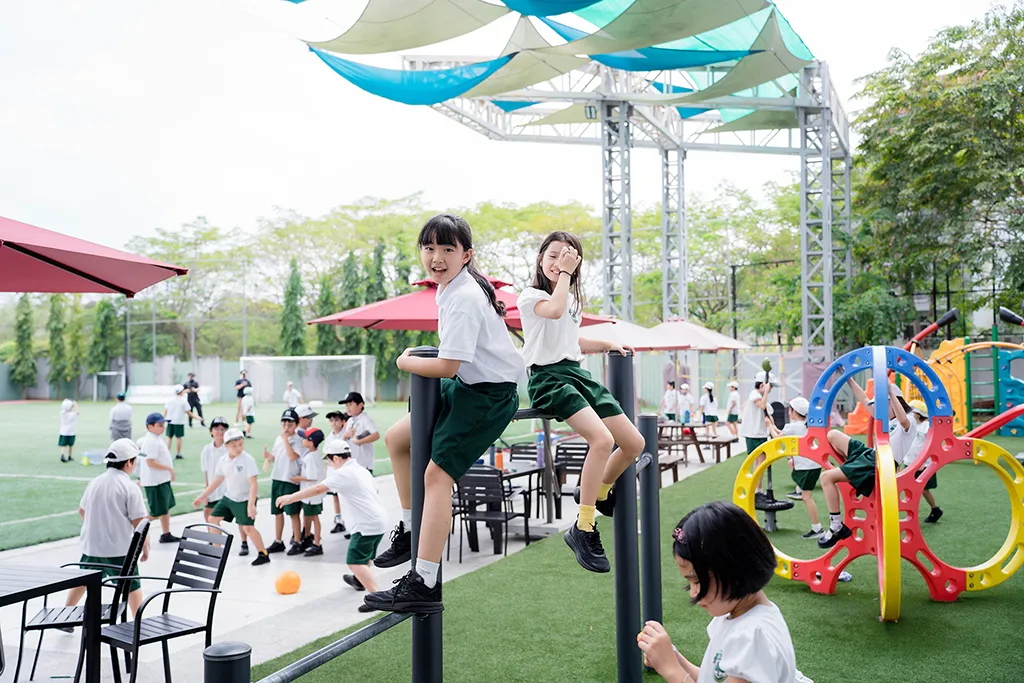
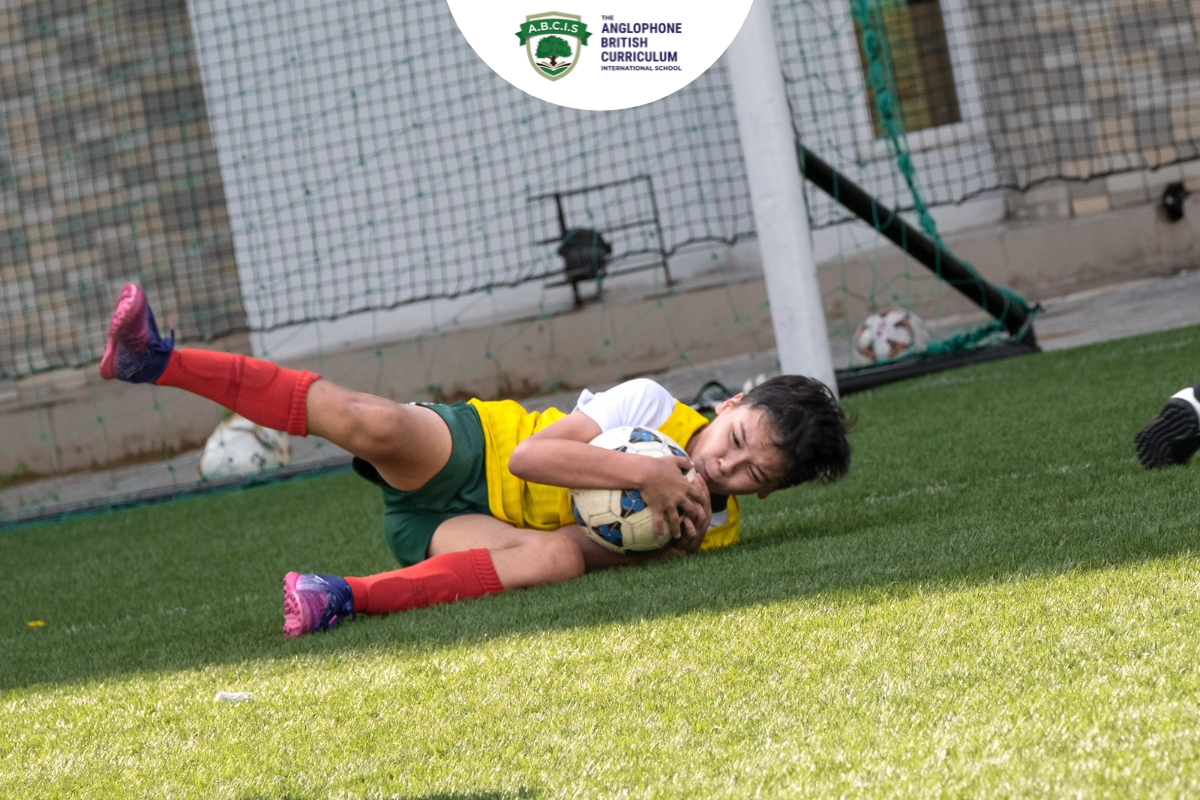
Running, climbing, jumping and balancing build strength and coordination. They also help children learn to manage risk.
Sensory and Exploratory Play
Sand, water, dough and paint invite children to investigate. They ask what happens if they pour, mix or squeeze.
Social Play
Games with others teach turn-taking, sharing and compromise. These early social skills shape how children get on with others for years.
How Children’s Play Develops
In 1932, researcher Mildred Parten described six stages of social play. Children move through them gradually:
- Unoccupied play: watching and moving without a clear purpose.
- Solitary play: playing alone, absorbed in their own activity.
- Onlooker play: watching other children without joining in.
- Parallel play: playing beside others, but not with them.
- Associative play: sharing materials and chatting, with loose organisation.
- Cooperative play: working together towards a shared goal.
These stages are not tied to fixed ages. Every child develops at their own pace, and older children still move between stages.
Benefits of Play-Based Learning
Play gives children opportunities to explore their interests, express their ideas and learn from everyday experiences. Through playful activities, they can build confidence, develop social skills and learn to work with others.
Language and Communication
Children learn new words when they need them to play. Role play gives them a reason to talk, listen and explain.
Social and Emotional Skills
Play teaches children to share, wait, negotiate and manage frustration. It is where emotional intelligence first develops.
Thinking and Problem-Solving
A tower that keeps falling is a real problem to solve. Play builds early problem-solving skills and creative thinking skills.
Physical Development
Climbing and running build gross motor skills. Threading, drawing and building build the fine motor control needed for writing.
Early Reading and Maths
Counting blocks, sorting shapes and writing a pretend shopping list all build early literacy and numeracy. Children learn these skills because they need them.
Learning English Through Play
For children starting school with little English, play is one of the best ways to learn it. They pick up words naturally because they want to join in.
Good English language support builds on that natural motivation.
Play-Based Learning in the British Curriculum
British schools follow the Early Years Foundation Stage (EYFS) from age 2 to the end of Reception. Play is written into it.
What the EYFS Says About Play
The framework states that “Play is essential for children’s development”. Children learn “by leading their own play”. They also learn through play and learning “guided by adults”.
The Three Characteristics of Effective Learning
The EYFS describes three ways children learn best:
- Playing and exploring. Children investigate, experience things and have a go.
- Active learning. Children concentrate, keep trying when things are hard and enjoy achieving.
- Creating and thinking critically. Children develop their own ideas and make links between them.
Does Play Stop After Reception?
Not entirely. The EYFS says there should be a greater focus on teaching as children reach Reception.
Play still has a place in Key Stage 1, though lessons become more structured. Our guide to getting ready for Year 1 explains the change.
“Is My Child Actually Learning?”
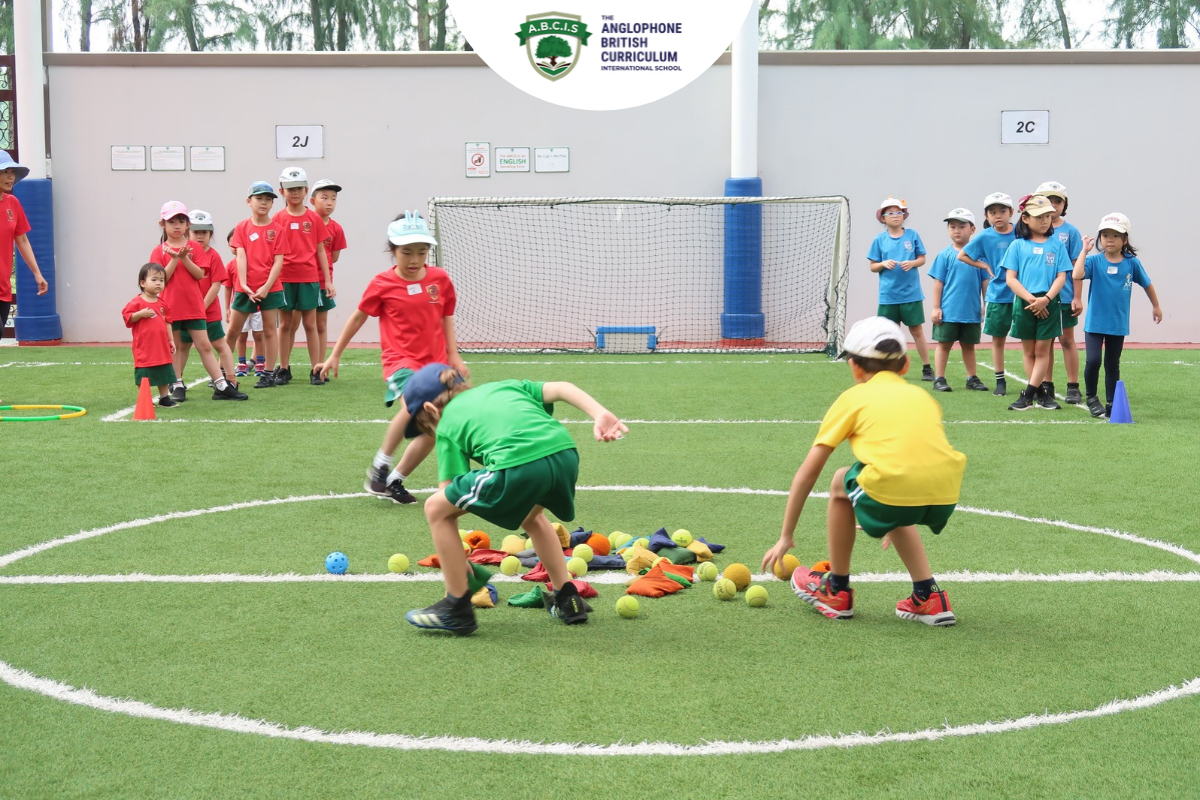
This is the question parents ask most. It is a fair one, especially when children come home talking only about games.
Play vs Early Academics
Many families expect early worksheets and writing practice. Pushing formal work too early can make children anxious rather than ready.
Play builds the foundations formal learning depends on: attention, language, confidence and curiosity.
How Teachers Track Progress Through Play
In the EYFS, teachers assess mainly by watching children play. They note what each child can do, then plan the next step.
Will My Child Be Ready for Year 1?
Children who learn through play arrive in Year 1 with strong foundations. They tend to be confident, curious and able to concentrate.
Play-Based Activities to Try at Home
Ages 2 to 3
- Fill a tray with rice or water and add cups to pour with.
- Stack blocks together and count them as you go.
- Sing action songs that name body parts.
Ages 3 to 5
- Set up a pretend shop with real coins and price labels.
- Build a den and invent a story about who lives there.
- Sort toys by colour, size or type.
Ages 5 to 7
- Play board games that involve counting and taking turns.
- Cook together and let them measure the ingredients.
- Make up a story together, taking turns to add a sentence.
Ask open questions, such as “What do you think will happen?” Helping children balance study and play matters at every age.
What to Look For in a Play-Based Classroom
- Children busy and talking, not sitting silently.
- Clear areas for building, reading, role play and messy play.
- Teachers playing alongside children and asking questions.
- Regular time outdoors.
Our guide to choosing an international preschool includes warning signs to watch for.
How We Use Play-Based Learning at the ABCIS
Built on the EYFS
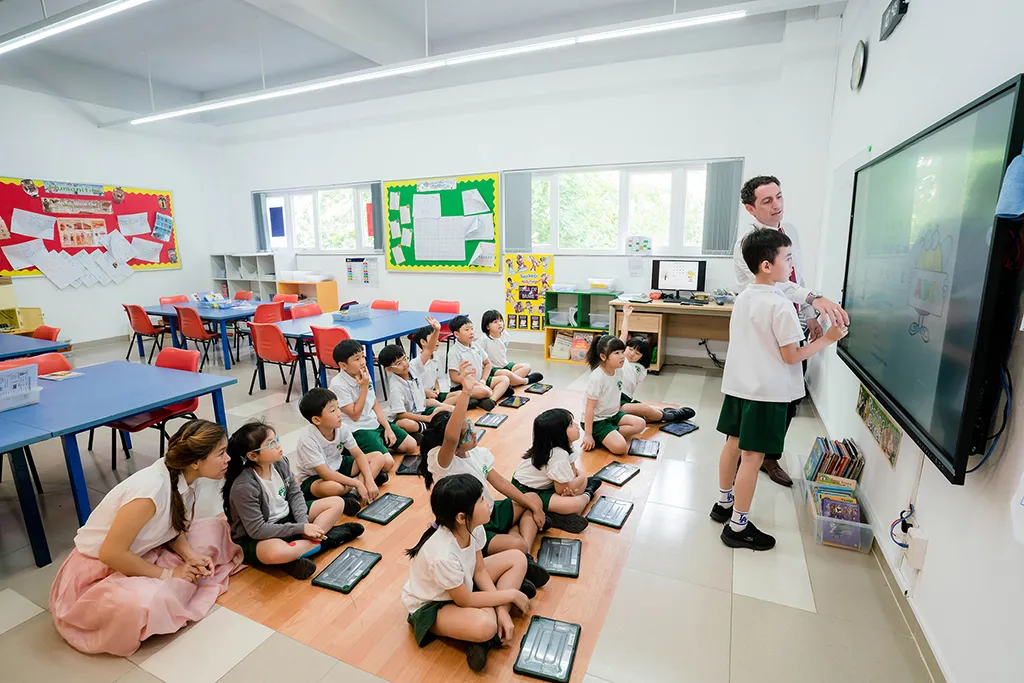
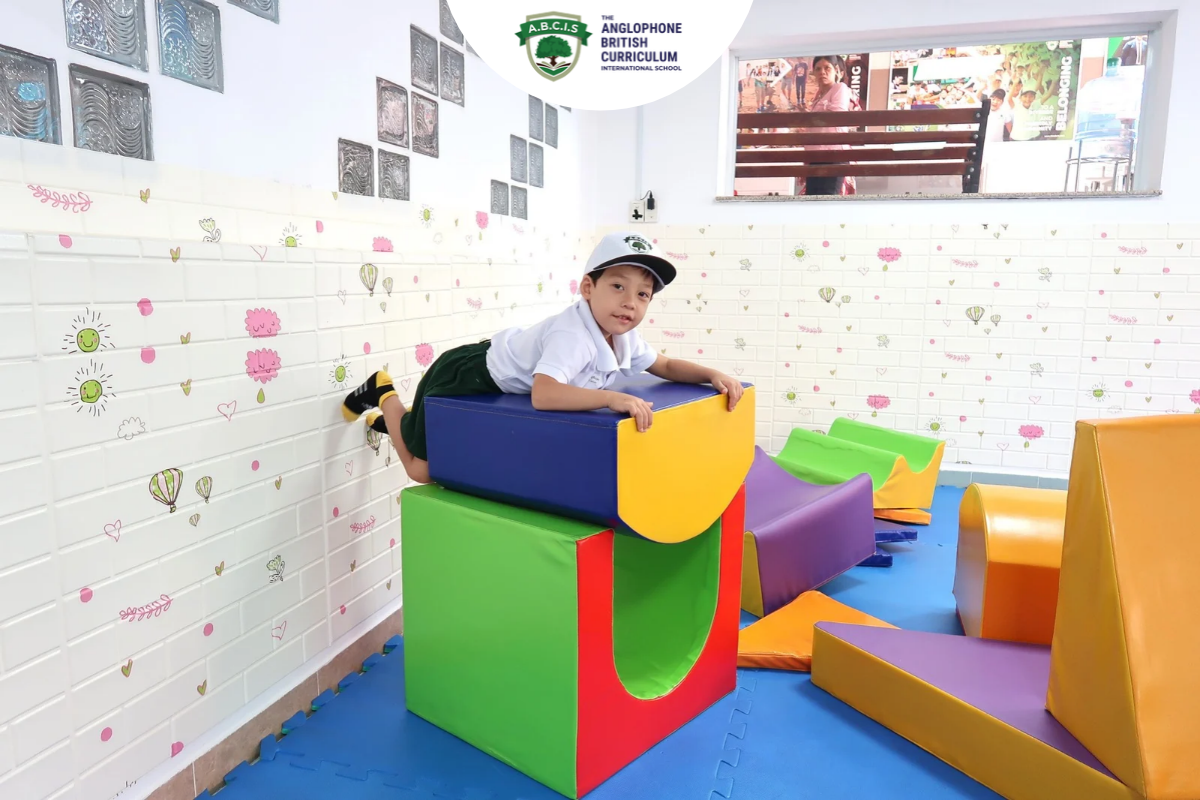
At The ABC International School (ABCIS), our Early Years provision follows the Early Years Foundation Stage (EYFS) framework. We plan learning experiences around each child’s interests and stage of development.
We balance child-initiated play with teacher-led activities to encourage curiosity, creativity and confidence. Each EYFS class has at least one Teaching Assistant to support children throughout their learning journey.
Learning Through Play From the First Day
At the ABCIS, play is part of a child’s journey from the very beginning. Even our admissions process for young children includes a play-based assessment. This helps us understand how each child thinks, explores and communicates in a relaxed environment.
A Dedicated Early Years Campus
Our Early Years and Key Stage 1 classes are based at our Trung Son campus, where children can explore, play and learn in a supportive environment. As they grow, they can continue their educational journey at ABCIS all the way to age 18.
Serious Learning, Through Play
Play-based learning is not the opposite of serious education. In the early years, it is serious education.
Look for classrooms full of purposeful play, and bring the same spirit home. The skills your child builds now will support everything that follows.
Explore our Early Years programme, or book a visit to see play-based learning in action. Our admissions team is always happy to help.
- Trung Son Campus: #152-158, Street No. 1, Trung Son, Binh Hung Commune, Ho Chi Minh City, Vietnam
- Nha Be Campus: #2, Street No. 9, Tan An Huy, Nha Be Commune, Ho Chi Minh City, Vietnam
- Phone: +84 (0)28 7308 1828
- Email: office@theabcis.com
Frequently Asked Questions
An approach where children learn through play that teachers plan with a purpose. Children explore and experiment while teachers guide them towards learning goals.
It is most central from age 2 to around 6. In British schools, it continues into Key Stage 1 alongside more structured lessons.
For young children, play builds the foundations academic learning depends on. Most good schools combine both, shifting the balance as children grow.
Pretend and role play, construction play, physical play, sensory play and social play. Each builds different skills.
Yes. The EYFS framework states that play is essential for children’s development and is central to the early years.
Ask teachers what they have observed. You should see growing vocabulary, confidence, concentration and independence.
Offer open-ended toys, play alongside your child and ask open questions. Everyday activities like cooking and shopping work well.