

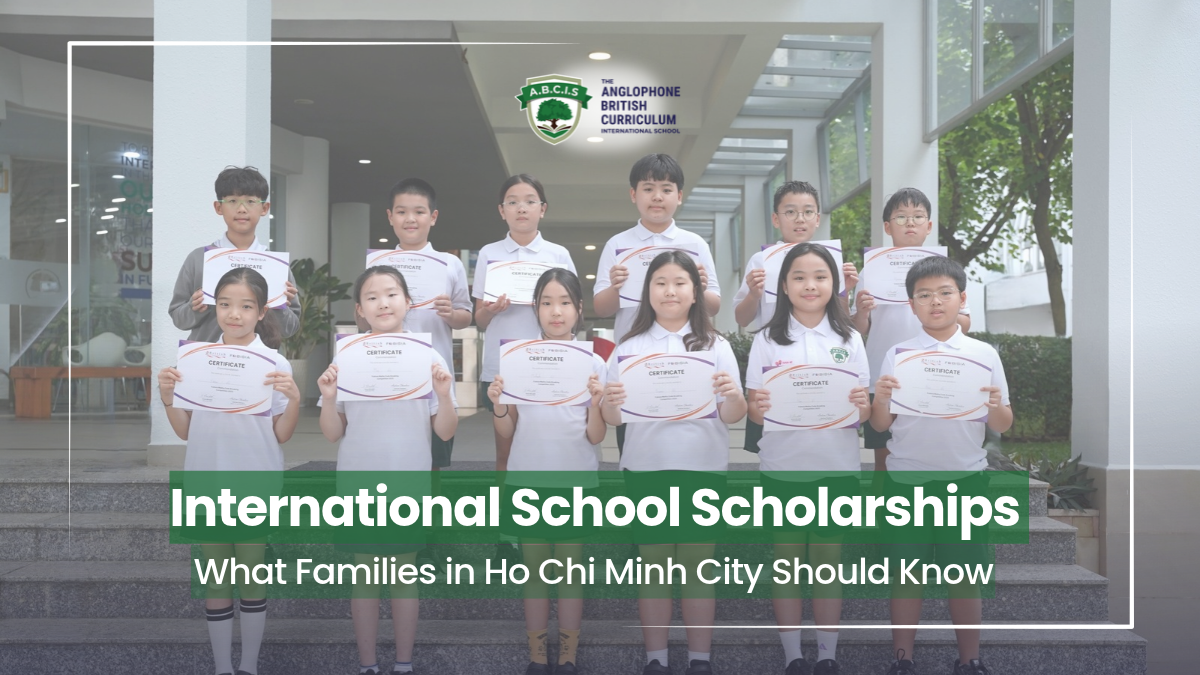
International school scholarships in Ho Chi Minh City usually cover part of tuition, not all of it. Most reward academic merit or talent. Some are offered on entry, while others are earned after years at a school.
Many parents compare headline percentages and stop there. The conditions attached matter just as much. At The ABC International School (ABCIS), we believe scholarships should reward sustained effort.
This article explains how international school scholarships in Ho Chi Minh City work. It covers types, eligibility, applications and the questions worth asking.
Key Takeaways
- Most awards are partial. Expect a share of tuition, rarely the full amount.
- Entry and internal scholarships differ. Some you apply for when joining; others are earned over years.
- Conditions matter. Renewal, conduct and enrolment rules can change an award’s real value.
- Discounts are separate. Sibling and loyalty discounts follow fixed rules, not competition.
- Start early. The strongest applications are built over several years.
How International School Scholarships Work in Ho Chi Minh City

Most international schools in the city offer some form of financial support. It comes in three main forms, which are easy to confuse.
Scholarships vs Bursaries vs Discounts
| Scholarship | Bursary | Discount | |
|---|---|---|---|
| Based on | Merit or talent | Financial need | Family circumstances |
| Competitive? | Yes | Usually, within a budget | No |
| Typical conditions | Performance and conduct | Ongoing need | Fixed eligibility rules |
| Example | Top iGCSE results | Means-tested support | Second sibling enrolled |
Entry Scholarships vs Internal Scholarships
An entry scholarship is offered to a new student when they join. It usually depends on an entrance test, interview or portfolio.
An internal scholarship is earned by students already at the school. It rewards results achieved there over time.
Always ask which type a school offers. The answer decides when and how your child can qualify.
Why Most Awards Cover Part of the Fees
Schools spread scholarship budgets across several students. A partial award also keeps families invested in the school.
Budget for the remaining fees from the start. Our guide to international school fees explains what else to plan for.
Types of International School Scholarships
Academic (Merit) Scholarships
These reward strong grades or entrance test results. They are the most common type in Ho Chi Minh City.
Talent Scholarships: Sport, Arts and Music
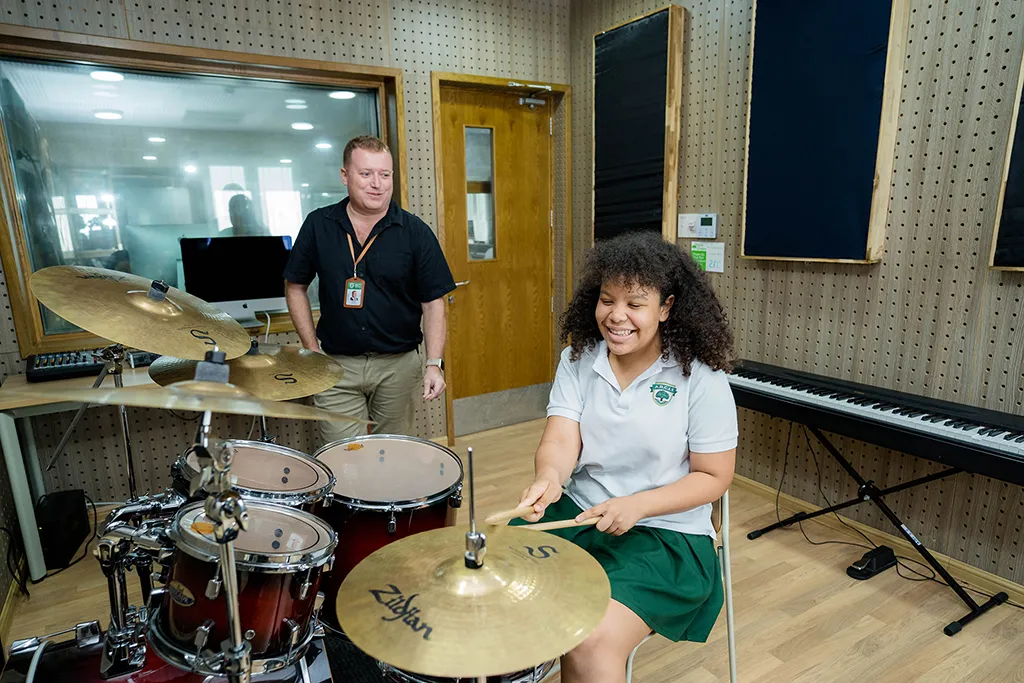
These recognise exceptional ability outside the classroom. Evidence from extracurricular activities, such as competitions or performances, usually carries the most weight.
Leadership and Service Awards
Some schools reward students who lead and contribute. Clear evidence of leadership qualities strengthens an application.
Need-Based Bursaries
Bursaries support families who could not otherwise afford the fees. They are means-tested and usually confidential.
Sixth Form Scholarships
These cover the final two years of school, known as Key Stage 5. They often reward results at iGCSE, the exams taken at the end of Year 11.
Who Is Eligible?
Academic Record and Entrance Assessments
Most schools review recent school reports. Entry scholarships often add an entrance test or interview.
Conduct and Contribution
Behaviour and attitude count. Many awards can be withdrawn if a student’s conduct falls short.
How Long a Student Has Been Enrolled
Internal scholarships often require a minimum period at the school. Joining later can mean missing out entirely.
English Proficiency
Teaching at international schools is in English. Schools may assess English separately, and it can matter as much as grades.
Financial Documents for Bursaries
Bursary applications usually require proof of income and outgoings. Schools treat this information confidentially.
How to Apply: A Step-by-Step Timeline

1. Start Nine to Twelve Months Ahead
Scholarship deadlines often fall well before the school year begins. Starting early leaves time to fit around the wider admissions process.
2. Gather Reports, References and Portfolios
Collect recent school reports and ask teachers for references in good time. For talent awards, prepare a portfolio, recordings or competition records.
3. Prepare for Assessments, Interviews and Auditions
Ask the school what format to expect. A calm, well-prepared child shows their real ability.
4. Understand the Renewal Conditions
Many awards last one year and must be renewed. Check whether renewal depends on grades, conduct or continued need.
Questions to Ask Every School About Scholarships
Two awards with the same headline percentage can be worth very different amounts. These questions reveal the difference.
- What share of tuition does the award cover?
- For how many years does it apply?
- What are the conditions for keeping it?
- Can it be combined with sibling or other discounts?
- Does it cover other costs, such as capital levies or uniforms?
- What happens if we leave the school early?
- Is it awarded automatically, or is there a separate application?
For the wider decision, see our parent checklist. Our guide to choosing an international school in Ho Chi Minh City also helps.
Common Mistakes Families Make
- Applying too late. Deadlines can close months before the school year starts.
- Comparing percentages alone. Conditions and duration change what an award is really worth.
- Overlooking internal scholarships. The best award may come from staying, not switching.
- Forgetting the other costs. A scholarship rarely covers fees beyond tuition.
Beyond School: Scholarships for University
For many families, the bigger financial question comes at 18. University scholarships can be far larger than school awards.
What Universities Look For
Universities reward strong results in demanding subjects. Knowing what A Levels are, and which ones a degree needs, is the starting point.
Many also value evidence of leadership, service and genuine interest in the subject.
Why Preparation Starts Years Earlier
The record a university reviews begins with the iGCSE curriculum. Our guide to university pathways explains where that record can lead.
Scholarships and Fee Support at the ABCIS
Our Sixth Form Scholarship
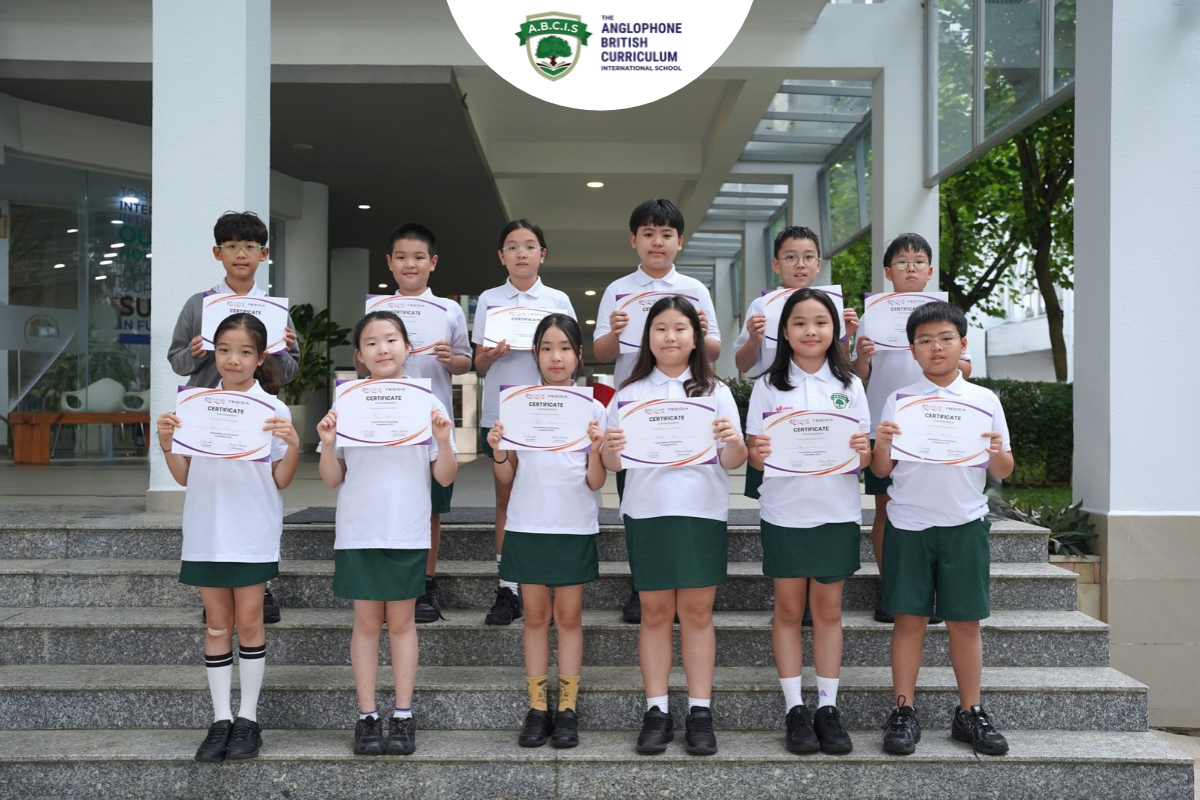
Our scholarship is earned at the school, not offered on entry. It is awarded on iGCSE results achieved with us in Key Stage 4.
- Based on the highest grades in eight iGCSE subjects. Only subjects taken with us count.
- Open to students who have studied with us for the two previous consecutive years.
- Three awards are available, applied as fee remission in Year 13.
| Award | Value | How it is applied |
|---|---|---|
| Award 1 | 50% of Year 12 and 13 tuition | Full fee remission in Year 13 |
| Award 2 | 33.33% of Year 12 and 13 tuition | Full remission in the final two terms of Year 13 |
| Award 3 | 16.66% of Year 12 and 13 tuition | Full remission in the final term of Year 13 |
Winners are expected to be good ambassadors for the school. Serious breaches of school rules can lead to an award being withdrawn.
Why We Reward Commitment
Students who complete Years 10 and 11 with us become eligible. That rewards consistent work across two years, not a single performance.
It also means families who join by Year 10 give their child a real chance at a substantial award.
Support for University, Too
We also offer a scholarship for students who leave us to attend university after completing their A Levels. Our admissions team can explain the current terms.
Our Fee Discounts
- Sibling discount: 15% off tuition for a second, third or fourth child.
- Loyalty discount: 5% off tuition after three consecutive full years, for families without a sibling discount.
- Annual payment: approximately 10% cheaper than paying in instalments.
No pupil may receive more than 15% in discounts. Scholarship winners are the only exception.
For more information, visit our scholarship page.
Plan Early, Ask Precisely
International school scholarships in Ho Chi Minh City can make a real difference to a family budget. Their true value lies in the detail.
Understand which type a school offers, ask the right questions and start preparing early. The best opportunities often reward years of effort.
Explore our admissions and fees, or contact our admissions team to discuss our scholarship and discounts. We are always happy to help you plan.
- Trung Son Campus: #152-158, Street No. 1, Trung Son, Binh Hung Commune, Ho Chi Minh City, Vietnam
- Nha Be Campus: #2, Street No. 9, Tan An Huy, Nha Be Commune, Ho Chi Minh City, Vietnam
- Phone: +84 (0)28 7308 1828
- Email: office@theabcis.com
Frequently Asked Questions
Full scholarships are rare. Most awards cover part of tuition, so families should budget for the remaining fees.
A scholarship rewards merit or talent. A bursary supports families based on financial need and is usually means-tested.
No. Our scholarship is earned at the school rather than offered on entry. It rewards iGCSE results achieved with us over two consecutive years.
There are three awards, worth 50%, 33.33% or 16.66% of Year 12 and 13 tuition. They are applied as fee remission in Year 13.
It depends on the school. Our discounts are capped at 15%, but scholarship winners are the exception.
For entry scholarships, start nine to twelve months ahead. For internal scholarships, preparation effectively begins when your child joins.
Yes. Many schools withdraw awards for poor conduct, and some require grades to be maintained. Always read the conditions.