

Schools prevent bullying best through a whole-school approach. That means a clear policy, consistent supervision, teaching empathy and working closely with parents. Single assemblies or punishment alone rarely work.
Most parents only think about bullying once something has happened. By then, patterns are already set. At The ABC International School (ABCIS), we believe prevention is everyday work, not an emergency response.
This article explains how to prevent bullying in schools, based on the evidence. It covers the types, causes and long-term effects, and what parents can do.
Key Takeaways
- Bullying is not the same as conflict. It is repeated, deliberate and involves unequal power.
- Prevention works. Research shows school programmes can measurably reduce bullying.
- Whole-school beats one-off. Policy, supervision, teaching and parents all need to pull together.
- Bystanders hold real power. Peers who speak up are among the strongest protections.
- The effects can last decades. That is why early action matters so much.
What Is Bullying?
Bullying is behaviour that deliberately hurts someone, again and again. The child doing it holds more power than the child on the receiving end.
Three Signs: Repeated, Intentional and Unequal
- Repeated. It happens more than once, or is likely to happen again.
- Intentional. The aim is to hurt, frighten or control.
- Unequal. One child has more power, through size, status or numbers.
Bullying vs Conflict vs Rough Play
Not every falling-out is bullying. Telling them apart helps adults respond properly.
| Bullying | Conflict | Rough play | |
|---|---|---|---|
| How often | Repeated | Occasional | Occasional |
| Intent | To hurt or control | To win a disagreement | To have fun |
| Power | Unequal | Roughly equal | Equal |
| Afterwards | One child is distressed | Both may be upset | Both keep playing |
| Best response | Adult action | Help them resolve it | Usually none |
The Different Forms Bullying Can Take
Physical
Hitting, kicking, pushing or damaging belongings. It is the easiest form for adults to spot.
Verbal
Name-calling, insults, threats and cruel teasing. It often happens where adults cannot hear.
Social and Relational
Leaving someone out, spreading rumours or turning friends against them. It can be hard to prove, but it hurts deeply.
Prejudice-Based
Targeting a child for their culture, language, religion, appearance or ability. In a diverse school, staff need to watch for this closely.
Online
Cyberbullying follows children home through messages, games and social media. It can feel impossible to escape.
Why Some Children Bully Others
There is rarely a single cause. Usually several factors combine.
Seeking Power or Status
Some children bully to gain popularity or control within a group. If it works, the behaviour tends to continue.
Struggling With Emotions or Problems at Home
Children who have not learnt to manage anger or frustration may take it out on others. Weak emotional intelligence makes this more likely.
Difficulties at home, or being bullied themselves, can also play a part.
Being Different Becomes a Target
Children who stand out are more at risk. That can mean being new, speaking a different first language or coming from a different culture.
In international schools, groups sometimes form along nationality or language lines. Building intercultural communication helps break those walls down.
Environments That Allow It
Bullying thrives where supervision is weak and rules are unclear. It also grows when adults look away.
Understanding Causes Is Not Excusing Them
Knowing why a child bullies helps stop it. It never makes the behaviour acceptable.
How Bullying Affects Children, Now and Years Later
The Short-Term Effects
- Falling behind with schoolwork.
- Trouble sleeping, or changes in appetite.
- Headaches and stomach aches with no clear cause.
- Reluctance to go to school.
Effects That Can Last Into Adulthood
A King’s College London study followed a British birth cohort for five decades. It found the effects of childhood bullying were still evident at age 50.
Those effects included poorer mental and physical health. Bullying is not simply a phase that children grow out of.
The Impact on Children Who Bully and Those Who Watch
Children who bully also face poorer outcomes if nobody intervenes. They need help, not just punishment.
Bystanders are affected too. Watching bullying and feeling unable to help can leave children anxious and less trusting.
How to Prevent Bullying in Schools

1. Build a Whole-School Culture of Respect
The strongest results come from whole-school approaches. Every adult, every space and every year group sends the same message.
A follow-up analysis by the same team found that adding more components did not improve results. Doing a few things consistently matters more.
2. Set a Clear Policy, and Enforce It
The Standards for British Schools Overseas are explicit. Bullying must be “prevented in so far as reasonably practicable”. Schools must achieve this through “an effective anti-bullying strategy”.
Inspectors check this as part of BSO accreditation. In Vietnam, Decree 80/2017/ND-CP also sets national expectations for safe, friendly schools.
Classroom rules should turn the policy into everyday language children understand.
3. Train Staff to Spot and Respond
Teachers need to recognise quieter forms of bullying, such as exclusion and rumours. They also need a shared, consistent way to respond.
4. Supervise the Hotspots
Playgrounds, corridors, toilets, buses and lunch queues are where bullying tends to happen. Visible adults in these spaces make a real difference.
5. Teach Empathy and Social Skills
Children need to be taught how to treat each other, not just told. Lessons in social skills, active listening and resolving everyday disagreements build the foundations.
6. Make Reporting Simple and Safe
Children must know exactly who to tell, and trust that they will be taken seriously. Reporting should never make things worse for them.
7. Empower Bystanders
Most bullying happens in front of other children. When peers make it clear they disapprove, bullying loses its reward.
- Do not laugh or join in.
- Stand next to the child being targeted.
- Tell a trusted adult afterwards.
8. Celebrate Difference
Schools that actively value different cultures, languages and abilities give bullies less to target. Inclusion has to be visible, not assumed.
9. Work in Partnership With Parents
Information for parents was one of the components linked to results. A strong parent-teacher relationship makes difficult conversations easier.
10. Talk About Bullying at Home
Explain what bullying is and that telling an adult is never “snitching”. Children who have heard this early are more likely to speak up.
Help your child make new friends at school. Children with even one good friend are better protected.
11. Model Respectful Behaviour
Children learn how to treat others by watching adults. How you speak about other people at home matters.
12. Stay Involved in Your Child’s Online Life
Know which apps and games your child uses, and who they talk to. Agree together what to do if something unkind happens online.
What to Avoid
Peer mediation is not suitable for bullying. It treats the situation as a two-sided disagreement, when one child holds more power.
In our view, a single assembly also achieves little on its own. Prevention has to be visible every day.
What Parents Can Do When Bullying Happens
Signs Your Child May Be Bullied
- Unexplained bruises, or damaged and missing belongings.
- Not wanting to go to school or take the school bus.
- Fewer friends, or no longer being invited out.
- A sudden drop in grades or confidence.
What to Do If Your Child Is Being Bullied
- Listen calmly and believe them. Thank them for telling you.
- Do not promise to keep it secret. Explain that you will need to tell the school.
- Write down what happened, including dates, names and places.
- Contact the school promptly. Ask what will happen next, and when.
- Do not confront the other child or family. Let the school handle it.
Rebuilding self-confidence afterwards matters too. If distress continues, seek professional support.
What If Your Child Is the One Bullying?
It is hard to hear, but stay calm. Try to understand what is driving the behaviour.
Be clear that it must stop, and agree consequences. Then help your child repair the harm, working with the school.
How We Prevent Bullying at the ABCIS
Inspected Against the Standard
Our BSO inspections assess our anti-bullying strategy against the standard above. The most recent, in January 2024, was graded Outstanding.
Learning Through Role-Play
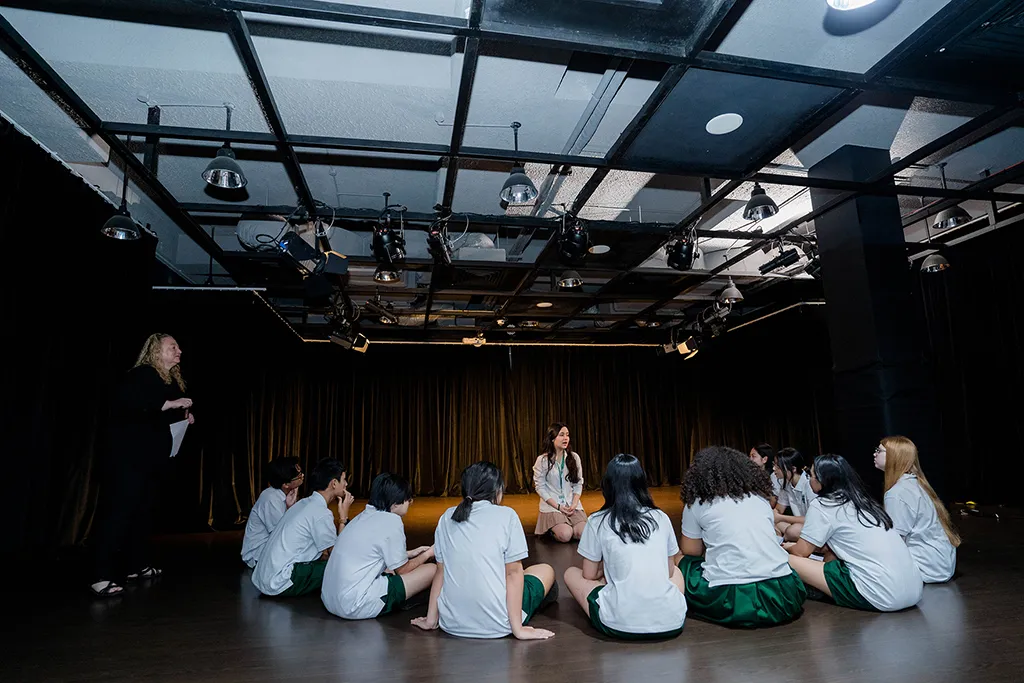
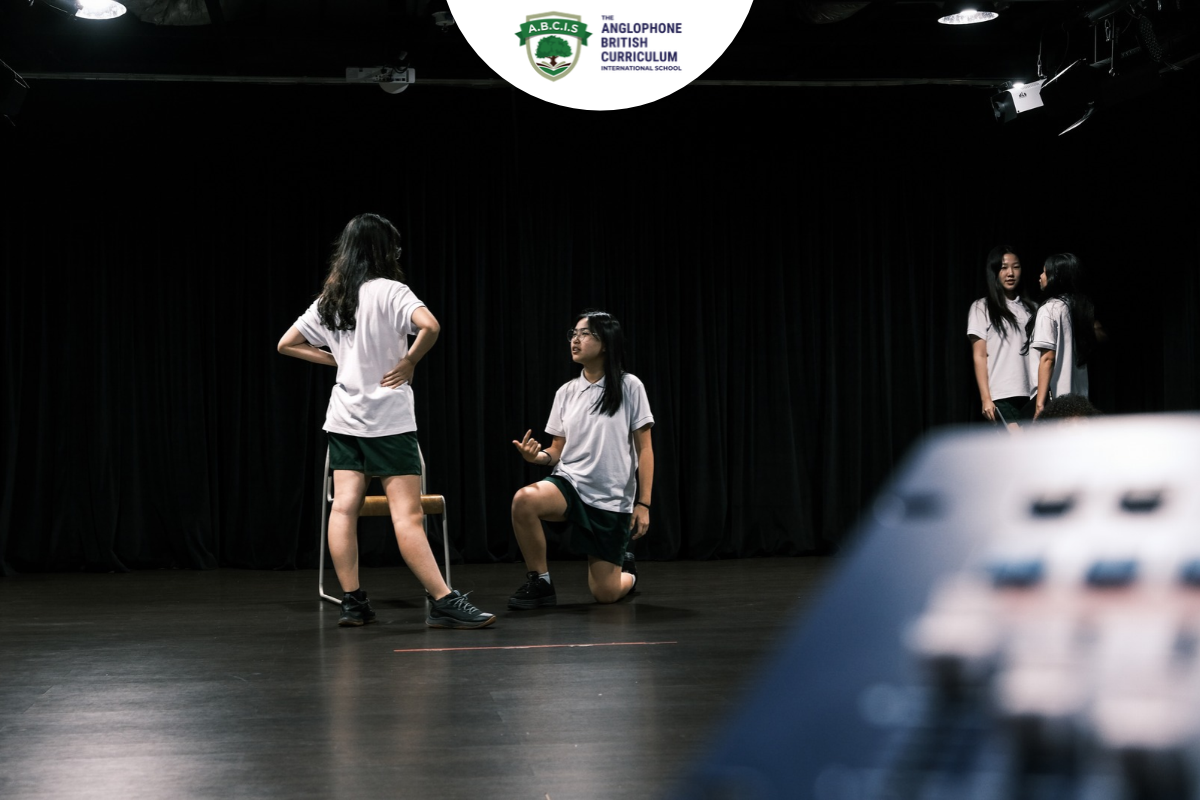
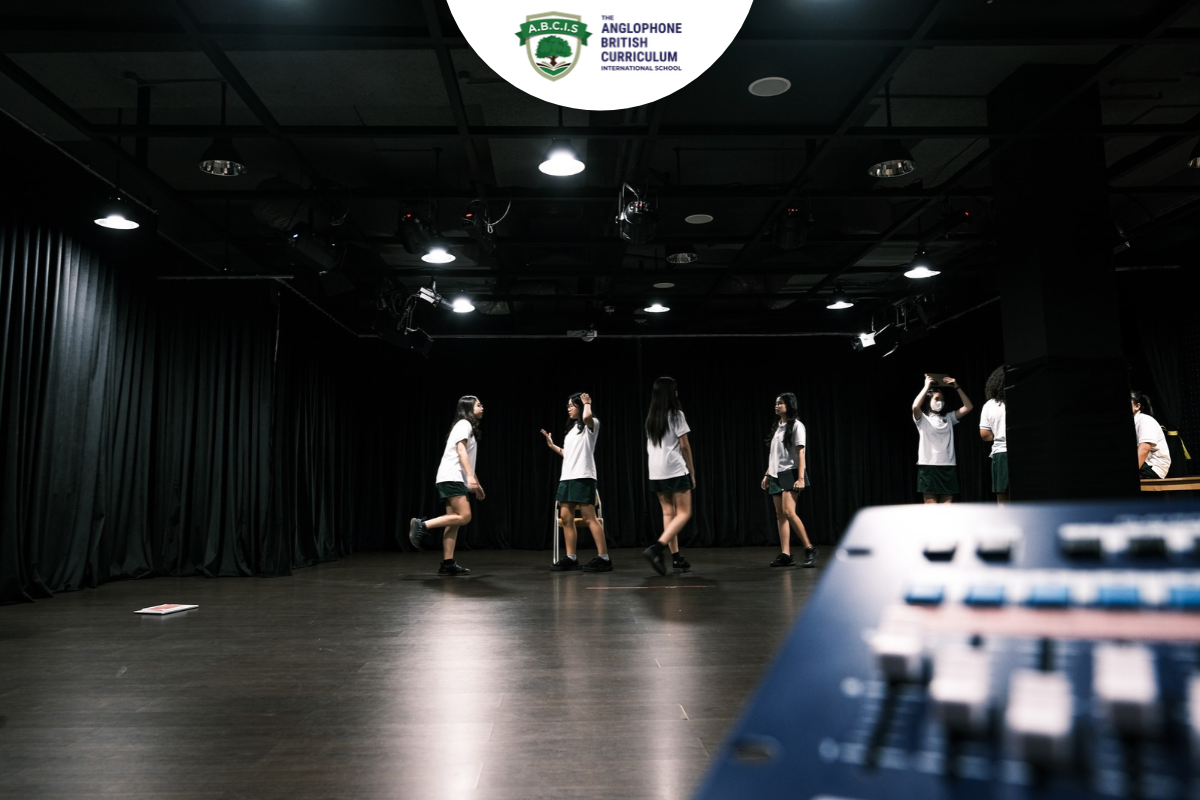
In our drama club, students act out bullying situations they might meet at school. They take turns playing the child being targeted, the child doing the bullying and the bystander.
Afterwards, they talk about how each role felt. Stepping into someone else’s position builds empathy far faster than a lecture.
They also rehearse what to actually say and do. A student who has practised speaking up is far more likely to do it for real.
Belonging Beyond the Classroom
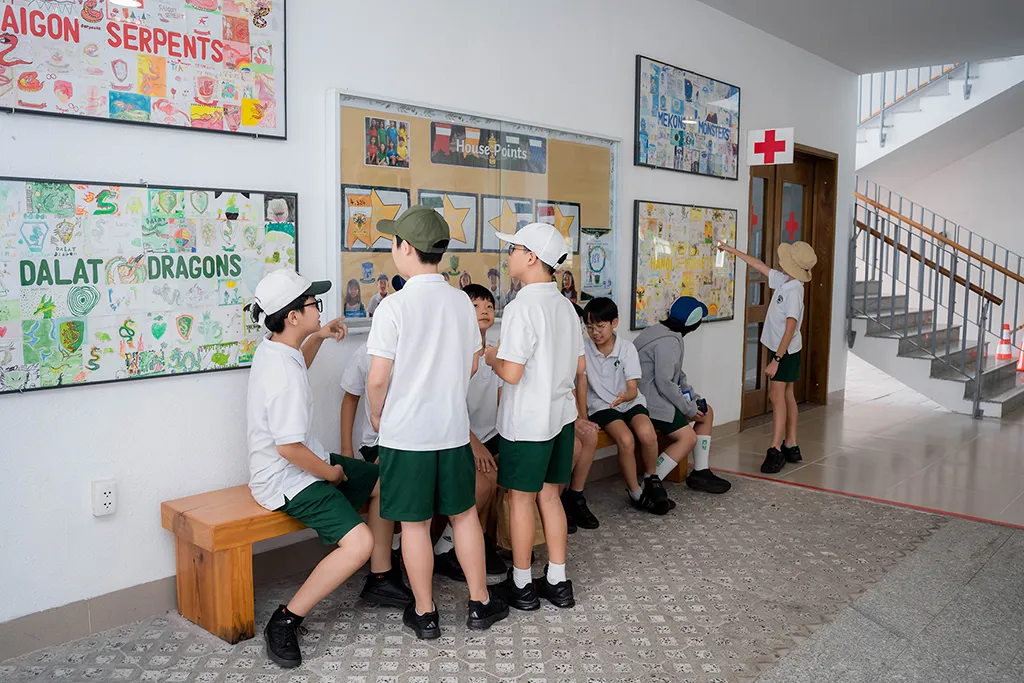
Our House Teams give pupils a group to belong to beyond their own class. Model United Nations teaches older students to disagree with respect.
Both give children a sense of belonging. Children who feel they belong are less likely to bully, and less likely to be isolated.
Building Habits From Age 2 to 18
Because we teach children from age 2 to 18, we can build these habits gradually. Kindness in Early Years becomes respectful debate in Sixth Form.
We see student wellbeing as the foundation for everything else.
Prevention Is a Whole-School Habit
Bullying is not inevitable. The evidence shows schools can reduce it when policy, supervision, teaching and parents work together.
Talk to your child early, know the signs and ask schools direct questions. Prevention starts long before anything goes wrong.
Explore how we keep pupils safe and supported from Early Years to Sixth Form. You can also contact our admissions team to ask about our approach.
- Trung Son Campus: #152-158, Street No. 1, Trung Son, Binh Hung Commune, Ho Chi Minh City, Vietnam
- Nha Be Campus: #2, Street No. 9, Tan An Huy, Nha Be Commune, Ho Chi Minh City, Vietnam
- Phone: +84 (0)28 7308 1828
- Email: office@theabcis.com
Frequently Asked Questions
A whole-school approach. Research links a clear policy, classroom rules, parent involvement and peer support with lower bullying rates.
Physical, verbal, social and relational, prejudice-based and online. Many children experience more than one type at once.
Common factors include seeking status, difficulty managing emotions, problems at home and environments where bullying goes unchallenged.
Yes. A British study following children for five decades found effects still evident at age 50.
No. Fighting back can escalate the situation and get your child into trouble. Telling a trusted adult is safer and more effective.
British schools overseas must have an effective anti-bullying strategy under BSO standards. Inspectors check this.