

Third culture kids are children raised outside their parents’ culture during their formative years. They build ties to several cultures without fully belonging to any one. The term dates from research in the 1950s.
Many parents assume young children simply adapt. Settling in quickly is not the same as feeling at home. At The ABC International School (ABCIS), we believe belonging has to be built, not assumed.
This article explains what third culture kids experience, from identity to repeated goodbyes. It also covers practical ways to help, including when a family moves home.
Key Takeaways
- It is a shared experience, not a diagnosis. Third culture kids share patterns, but every child is different.
- The strengths are real. Languages, adaptability and cultural insight often come naturally.
- So are the costs. Repeated goodbyes can leave grief that nobody names.
- Leaving well matters. How a family departs shapes how well a child arrives.
- Going “home” can be hardest. A passport country can feel more foreign than anywhere else.
What Are Third Culture Kids?
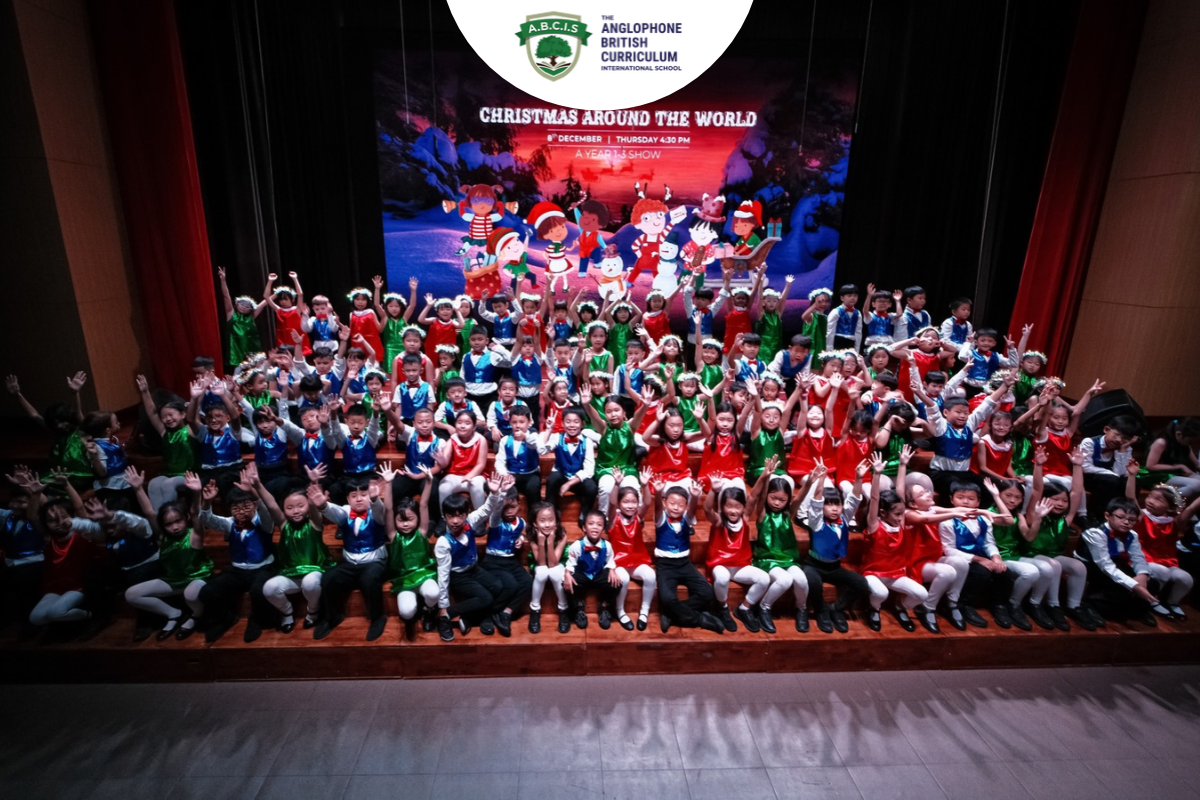
A third culture kid spends significant developmental years outside their parents’ home culture. They absorb parts of every place they live. The result is an identity that does not fit neatly into one country.
Where the Term Comes From
Sociologists Ruth Hill Useem and John Useem coined the term in the 1950s. They were studying American families living and working in India.
David Pollock and Ruth Van Reken later popularised the idea through their research and writing. Their work remains the standard reference today.
The Three Cultures Explained
- First culture. The parents’ home culture, often the passport country.
- Second culture. The culture of the country where the family lives now.
- Third culture. The shared world children build between them, often with other mobile families.
That third culture is where many of these children feel most at home. It is a community of experience, not a place.
Third Culture Kids vs Cross-Cultural Kids
Ruth Van Reken later broadened the idea into “cross-cultural kids”. The term covers any child who grows up meaningfully between two or more cultures.
That includes children who never move at all. A child of mixed heritage, or one at an international school in their own country, may fit here.
Third Culture Kids in Vietnam
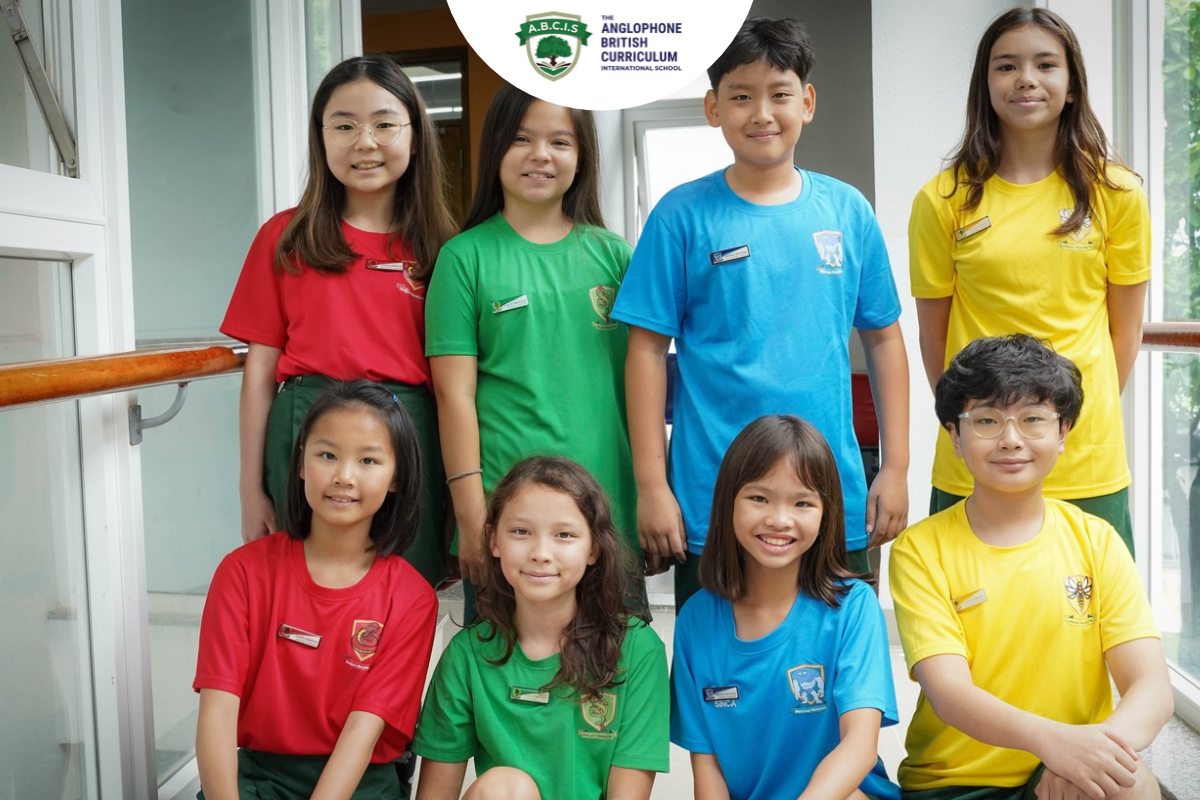
Ho Chi Minh City is home to several distinct groups of globally mobile children. Each has a different experience.
Expat Families in Ho Chi Minh City
These are the classic third culture kids. Their parents moved here for work, and many have lived in other countries before.
Returning Vietnamese Families and “Hidden Immigrants”
Children of Vietnamese families returning from abroad, often called Viet Kieu, face a quieter challenge. They look local, so people expect them to think and behave locally.
Pollock and Van Reken describe this as being a “hidden immigrant”. The child feels foreign, but nobody around them can see it.
Vietnamese Children at International Schools
Some Vietnamese children have never lived abroad. Yet they spend each school day in English, among classmates from many countries.
They are cross-cultural kids in every sense. Recognising that helps parents understand why home and school can feel like two different worlds.
The Strengths Third Culture Kids Develop
Languages
Many third culture kids speak two or more languages. They often learn through daily life rather than lessons alone.
Adaptability
Repeated moves teach children to read new situations fast. They learn quickly which rules are spoken and which are not.
Cultural Intelligence
Growing up across cultures builds strong intercultural communication. It is closely related to the global mindset that universities and employers value.
Watching Before Acting
Many third culture kids are careful observers. Before joining in, they study how a group works. It is a useful skill that can look like shyness.
The Challenges Third Culture Kids Face
“Where Are You From?”
For most people, this is an easy question. For a third culture kid, every possible answer feels incomplete.
Belonging Everywhere and Nowhere
These children can fit in almost anywhere on the surface. Underneath, they may feel they truly belong nowhere.
Repeated Goodbyes and Hidden Grief
Every move means losing friends, places, routines and sometimes a pet or a language. Because the move is often a positive one, that loss can go unacknowledged.
Grief that is never named does not disappear. It tends to resurface later, often at unexpected moments.
Restless Roots
Some third culture kids grow up expecting to move every few years. Staying put can start to feel uncomfortable, even when life is going well.
Signs Your Child May Be Struggling
Adjustment takes time, and some difficulty is normal. These signs are worth noticing if they persist:
- Withdrawing from new friendships with a “why bother, we will leave” attitude.
- Refusing to talk about a previous home, or talking about nothing else.
- A sharp drop in schoolwork or motivation after a move.
- Irritability, changes in sleep or frequent unexplained headaches.
Speak to your child’s teachers or pastoral team early. If low mood persists, seek professional support. Our guide to student wellbeing covers the wider picture.
How Parents Can Support a Third Culture Kid
Help Them Answer “Where Are You From?”
Work out a short answer together that feels true. Something like “I am Korean, but I grew up in Vietnam” is enough. Building self-awareness makes the question less unsettling.
Keep the Mother Tongue Alive
Read, talk and watch films in your home language. It keeps a connection to grandparents, and to a part of your child’s identity.
A strong home language also supports learning in English. Good English language support at school works best alongside it.
Leaving Well: The RAFT Approach
David Pollock developed a simple model for leaving a place well. It has four steps.
- Reconciliation. Mend any broken relationships before you go.
- Affirmation. Thank the people who mattered, and tell them so.
- Farewells. Say goodbye properly to people, places, pets and routines.
- Think destination. Learn about the new place together before you arrive.
Why It Works
Children who leave well tend to arrive better. Unfinished goodbyes travel with them into the next school.
Stay Connected to Extended Family
Regular video calls with grandparents and cousins give a child a stable thread. That thread runs through every move.
Name the Losses Out Loud
Say clearly that leaving is sad, even when the move is exciting. Emotional intelligence grows when feelings are named rather than brushed aside.
Going “Home”: Repatriation and Reverse Culture Shock
When Home Feels Foreign
Returning to a passport country is often harder than any international move. Everyone expects the child to slot back in, so the struggle goes unnoticed.
Jokes, slang and social rules may all feel unfamiliar. Treat the return as a move, not a homecoming, and plan for it in the same way.
Starting University in a Passport Country
Many third culture kids meet this challenge for the first time at university. The university pathways they choose may lead to a country that is theirs on paper only.
International student societies often feel more familiar than local ones. That is normal, and worth telling your child before they go.
What to Look for in a School for Third Culture Kids
The right school makes belonging easier to build. A few questions reveal a great deal.
Questions Worth Asking
- How are new arrivals welcomed and supported?
- Is there English language support, and mother-tongue provision?
- How does the school handle mid-year arrivals and departures?
- What pastoral support is there when a child is struggling?
Our guide to questions to ask on a school tour covers more. If a move is coming, our article on moving to a new school covers the practical side.
How We Support Third Culture Kids at the ABCIS
A Stable Community From Age 2 to 18
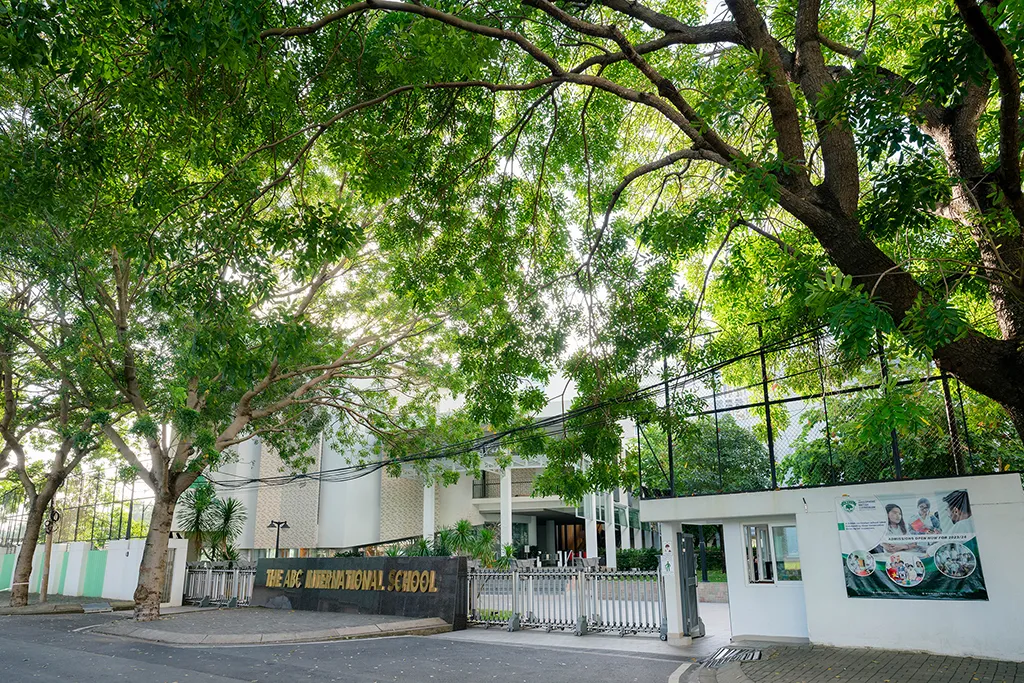
At the ABC international school (ABCIS), we teach children from age 2 to 18 across our Trung Son and Nha Be campuses. A child can stay in one school community through every stage.
For a third culture kid, that kind of continuity is rare. It gives them one fixed point while other things change.
Houses Named After Vietnam
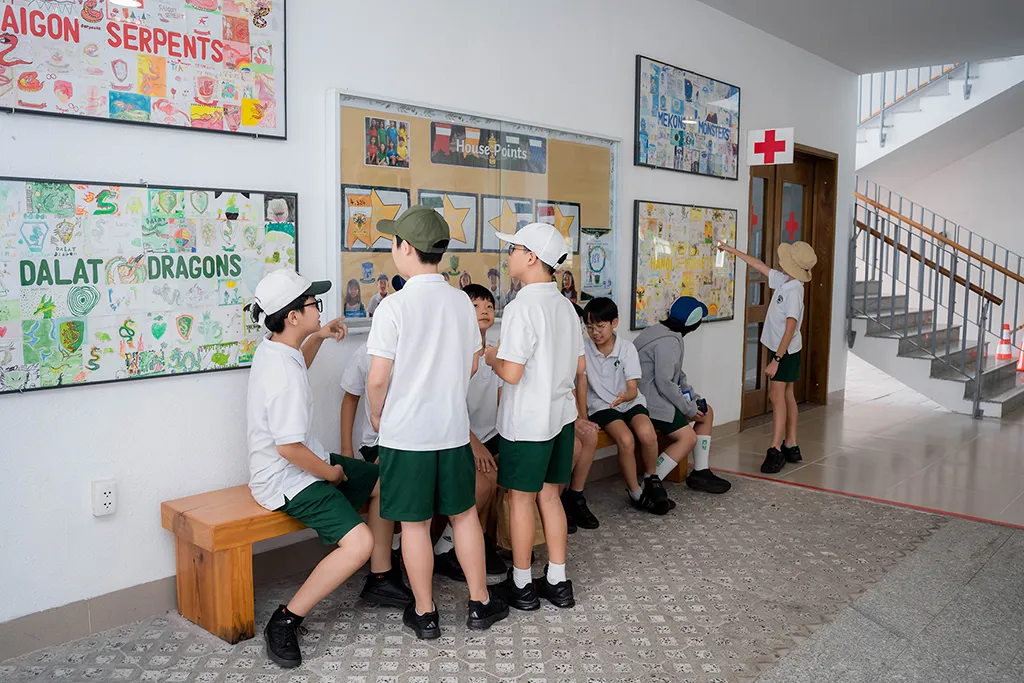
Our House Teams carry Vietnamese names: Dalat Dragons, Hanoi Hornets, Mekong Monsters and Saigon Serpents. A House gives a newcomer a team to belong to.
It also roots them in the country they are living in. Helping children make new friends at school is easier with a shared identity to start from.
Regional Connections Through FOBISIA
Through FOBISIA, our students take part in events with British international schools across Asia. They meet peers who share their experience of growing up between cultures.
Our most recent BSO inspection, in January 2024, was graded Outstanding.
Roots That Travel
Third culture kids carry real strengths and real losses. Both deserve attention.
Name the goodbyes, protect the home language and plan every move, including the move home. Belonging can be built anywhere when someone helps build it.
Explore our school to see how we welcome families from around the world. You can also contact our admissions team to talk through your child’s move.
- Trung Son Campus: #152-158, Street No. 1, Trung Son, Binh Hung Commune, Ho Chi Minh City, Vietnam
- Nha Be Campus: #2, Street No. 9, Tan An Huy, Nha Be Commune, Ho Chi Minh City, Vietnam
- Phone: +84 (0)28 7308 1828
- Email: office@theabcis.com
Frequently Asked Questions
A child who spends significant developmental years outside their parents’ culture. They connect with several cultures without fully belonging to any one of them.
Sociologists Ruth Hill Useem and John Useem, in the 1950s. David Pollock and Ruth Van Reken later popularised it.
A third culture kid has lived outside their parents’ culture. A cross-cultural kid is a wider term, covering any child who grows up meaningfully between cultures.
No. They often gain languages, adaptability and cultural insight. They can also face challenges with belonging and repeated loss, which benefit from support.
A four-step approach to leaving a place well, developed by David Pollock. It stands for Reconciliation, Affirmation, Farewells and Think destination.
Everyone expects a returning child to fit in instantly. When they do not, the struggle often goes unnoticed and unsupported.
Strictly, no, but they may be a cross-cultural kid. Vietnamese children at international schools often live between two cultures every day.