

Sixth form is the final two years of British secondary education, for students aged 16 to 18. It covers Year 12 and Year 13, known as Lower Sixth and Upper Sixth. Students usually study three or four A Levels.
Most parents picture sixth form as two more years of school. It works more like a bridge into university. At The ABC International School (ABCIS), we teach it as exactly that.
This article explains what sixth form involves, from entry requirements to subject choice. It also covers how to choose the right sixth form for your child.
Key Takeaways
- Sixth form means Years 12 and 13. Students are aged 16 to 18 throughout.
- A Levels are the main qualification. Most students take three subjects in depth.
- There are two settings. A school sixth form, or a standalone sixth form college.
- Entry is conditional. Schools usually ask for around five iGCSE passes.
- It is university preparation. Subject choices made at 16 shape degree options at 18.
What Is Sixth Form?
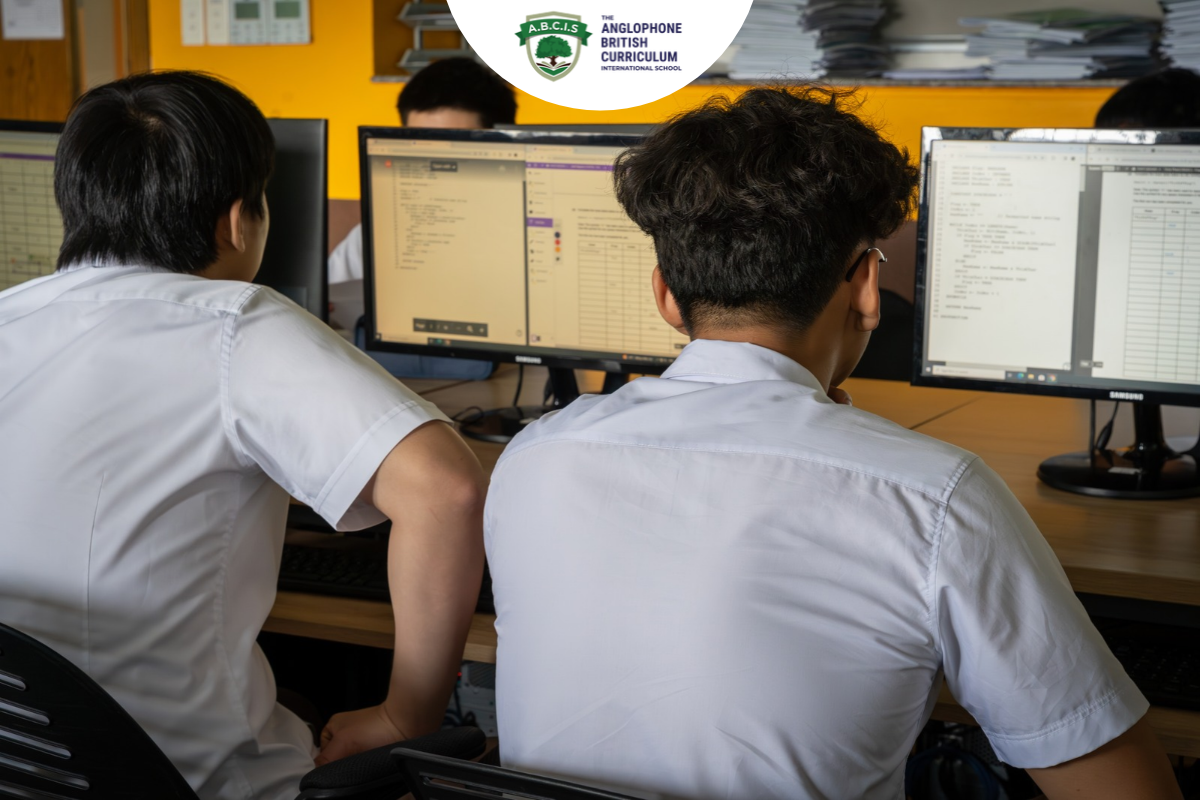
Sixth form is the stage that follows compulsory secondary education. It is academic rather than vocational, and it is optional. Students who continue do so to prepare for university.
Lower Sixth: Year 12
Students choose their subjects and begin studying them in depth. Many schools enter them for International AS Levels at the end of the year. University research usually starts here.
Workload rises sharply from the first week. Students who drifted through iGCSE find that approach stops working almost immediately.
Upper Sixth: Year 13
Students complete their final examinations and submit university applications. Interviews and admissions tests fall in this year. It is the most demanding year of school.
Predicted grades are issued during Year 13. They draw on Year 12 results and early Year 13 assessments, so neither is throwaway.
Applying to University During Sixth Form
Applications to the United Kingdom run through UCAS, usually submitted early in Year 13. Other countries set their own timetables, and several close earlier. The university pathways available are wider than many families expect.
Where Sixth Form Sits in the British Curriculum
Sixth form is the common name for Key Stage 5. It follows Key Stage 4, the iGCSE years. In Vietnamese terms, sixth form is roughly grades 11 and 12.
Is Sixth Form Compulsory?
No. Students elsewhere take vocational qualifications, enter further education or begin an apprenticeship. Those routes suit practical learners who prefer coursework to examinations.
In Vietnam, families at international schools rarely use them. Sixth form remains the standard path into universities overseas.
What Do You Study in Sixth Form?
A Levels as the Core Qualification
Most sixth formers study A Levels. If the system is new to you, it helps to understand what A Levels are before choosing subjects. They are assessed almost entirely by examination at the end of Year 13.
How Many Subjects to Take
Three A Levels is the standard load and meets most university requirements. Four suits only the strongest applicants aiming at highly competitive courses. Grade quality counts for more than subject quantity.
Choosing Subjects That Match a Degree
Some degrees require specific subjects. Medicine usually needs Chemistry and Biology. Engineering usually needs Mathematics and Physics.
Other degrees are open but reward evidence of written argument. Law and economics applicants benefit from essay-based subjects.
The Skills You Develop, Not Just the Subjects
Sixth form changes how students are asked to think. The logical thinking skills that carried them through iGCSE stop being sufficient on their own.
- Deductive reasoning. Building an argument where each step must hold.
- Abstraction. Working from principles rather than worked examples.
- Evaluation. Judging which of two explanations is better supported.
- Transfer. Applying a known method to an unfamiliar problem.
A Level papers deliberately include scenarios students have never seen. Strong critical thinking skills let a student reason forward instead of searching their memory.
What Are the Two Types of Sixth Form?
In the United Kingdom, families choose between two settings. The distinction is worth understanding before applying anywhere.
School Sixth Form
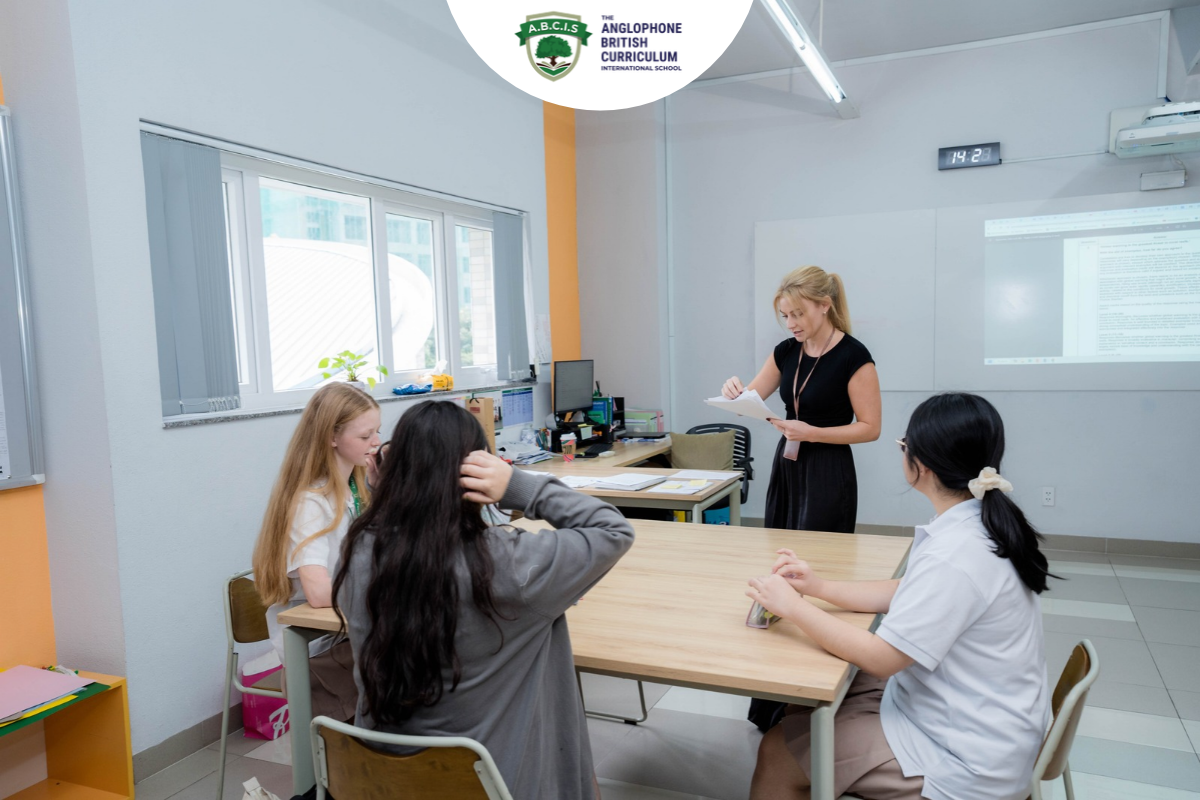
This sits inside an existing secondary school. Classes are usually smaller and teachers already know the students. The structure suits those who benefit from continuity.
Sixth Form College
This is a standalone institution for ages 16 and over. It offers a wider subject list and a more independent atmosphere. The trade-off is less individual contact with teachers.
What This Means in Ho Chi Minh City
Standalone sixth form colleges are rare in Vietnam. In practice, families choose between international schools that run Key Stage 5 and those that stop at 16.
Continuity therefore matters more here than it does in the UK. The realistic question is which school to stay with, not which type of institution to pick.
Entry Requirements for Sixth Form

Typical iGCSE Requirements
Most schools ask for around five passes from the iGCSE curriculum at grade C or above. English and mathematics are normally required among them.
Subject-Specific Requirements
Individual A Levels carry their own thresholds. A grade B or higher in the related iGCSE is common. Sciences and mathematics often ask for more.
Joining from the Vietnamese System
Students can enter sixth form from the Vietnamese national curriculum. Schools normally assess English and mathematics first. English readiness usually decides the outcome more than grade averages do.
How to Choose the Right Sixth Form for You
Subject lists are the easiest thing to compare and the least useful. The decisions that matter sit underneath them.
Questions Worth Asking
- Are both Key Stage 4 and Key Stage 5 taught on the same campus?
- Which boards accredit the examinations?
- What are the entry requirements from Year 11 into Year 12?
- How much contact time does each subject get?
- Who provides university guidance, and when does it start?
Independence and Workload
Sixth form expects students to manage their own workload. Strong time management matters more than raw ability in these two years.
Free periods replace supervised lessons. Ask any school how that unsupervised time is structured.
Look Beyond the Subject List
Universities read the whole application. Prefect roles and mentoring build the leadership qualities they look for.
Independent research projects stretch problem-solving skills further than any lesson can. They also give applicants something concrete to write about.
Sixth Form at the ABCIS in Ho Chi Minh City
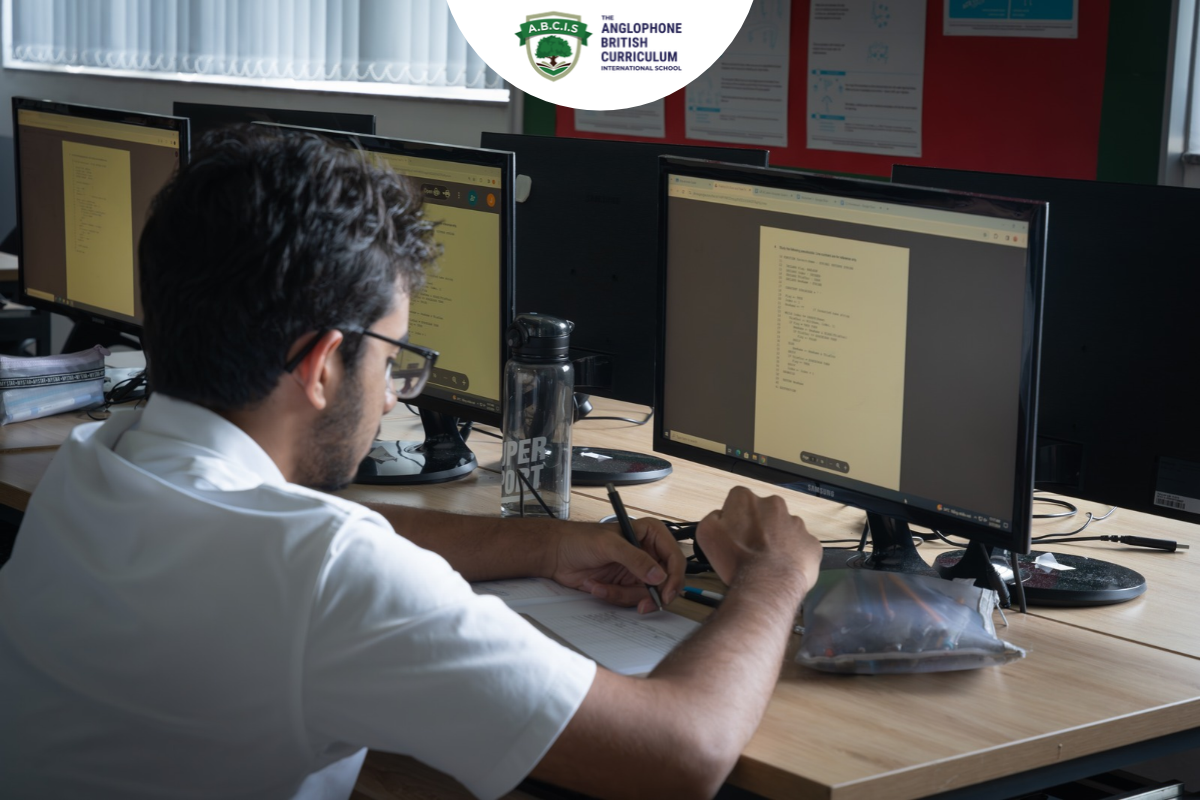
Our Sixth Form at a Glance
- Years 12 and 13. International AS and A Levels at Key Stage 5.
- Three to four subjects. Chosen to match university and career plans.
- Accredited. By Cambridge Assessment International Education and AQA.
- Two campuses. Trung Son and Nha Be, serving more than 650 students.
- Progression. Over 95% of our students go on to university each year.
- Destinations. The United Kingdom, United States, Australia, Canada and Korea.
- Inspected. Four BSO inspections, the most recent graded Outstanding in January 2024.
The A Level Subjects We Offer
At the ABC international school (ABCIS), our options span Mathematics, the Sciences, Business Studies and Economics. Students can also take English Literature, History, Geography, Art and Design, Psychology and Modern Foreign Languages.
That range lets each student build a combination around a specific degree. Subject choice is guided here, not left to chance.
How We Support the Two Years
Our teachers guide students through a demanding and specialised programme. Dedicated university guidance runs alongside the academic timetable rather than after it.
Leadership opportunities and extracurricular activities sit in the same plan. We treat them as part of the application, not as decoration.
Why Continuity Matters to Us
Our sixth formers have usually been with us through Key Stage 4. Their teachers already know how they work and where they struggle.
We are marking our thirtieth anniversary, and we remain family owned. That continuity runs the whole way, from age 2 to 18.
Our View on Choosing a Sixth Form
In our experience, families study subject lists too closely and everything else too lightly. The more useful questions are about teaching contact, university guidance and pastoral support.
Ask to meet the staff who will actually teach your child.
Making Sixth Form Count
Sixth form is short. Two years pass quickly, and the choices made at the start shape everything after them.
Choose subjects with a degree in mind. Build independent study habits early rather than hoping they arrive on their own.
Explore our sixth form programme to see how these two years work in practice. You can also contact our admissions team to discuss entry into Year 12.
- Trung Son Campus: #152-158, Street No. 1, Trung Son, Binh Hung Commune, Ho Chi Minh City, Vietnam
- Nha Be Campus: #2, Street No. 9, Tan An Huy, Nha Be Commune, Ho Chi Minh City, Vietnam
- Phone: +84 (0)28 7308 1828
- Email: office@theabcis.com
Frequently Asked Questions
Sixth form covers ages 16 to 18. That is Year 12 and Year 13 in the British system, roughly grades 11 and 12 in Vietnam.
A Levels are the main qualification. Many schools also enter students for International AS Levels at the end of Year 12. Vocational routes exist elsewhere in the system.
Three A Levels is standard and satisfies most university offers. Four is reserved for the strongest applicants targeting highly competitive courses.
Most schools ask for around five iGCSE passes at grade C or above, including English and mathematics. Individual subjects often require a B or higher in the related iGCSE.
No. Students may instead pursue vocational qualifications, further education or employment. In Vietnam, families choosing a British school normally continue into sixth form.
A school sixth form sits within an existing secondary school and keeps class sizes small. A sixth form college is standalone, larger and more independent in atmosphere.
Yes. Schools normally run an entrance assessment covering English and mathematics. Strong English is usually the deciding factor.