

iGCSE and A Levels are two stages of one British curriculum pathway, not rival qualifications. Students sit iGCSEs between ages 14 and 16, covering eight to ten subjects. A Levels follow from 16 to 18, narrowing to three or four, and occasionally five, subjects.
Most families treat the two as a choice. They are a sequence, and that misreading quietly closes doors later. At The ABC International School (ABCIS), we teach both stages in Ho Chi Minh City.
This article compares A Level vs iGCSE across ten dimensions. It then covers which stage suits your child and where to study both locally.
Key Takeaways
- iGCSE comes first. It runs across Years 10 and 11, broadly grades 9 and 10 in the Vietnamese system.
- A Levels come second. They run across Years 12 and 13, broadly grades 11 and 12.
- Breadth gives way to depth. Students move from eight to ten subjects down to three or four.
- The grades do different jobs. iGCSE results decide A Level access. A Level results decide university offers.
- The step up is real. A Levels reward reasoning rather than recall, and that shift catches strong students out.
What Is iGCSE and What Are A Levels?
Both qualifications belong to the British curriculum. Neither is an alternative to the other. They run in sequence across four years of upper secondary school.
iGCSE: The Foundation Stage
The iGCSE curriculum is the International General Certificate of Secondary Education. Students take eight to ten subjects between ages 14 and 16. The aim is breadth before any specialisation begins.
Content is largely factual and procedural. Assessment rewards accurate recall, clear method and structured application.
A Levels: The Specialisation Stage
If the system is new to you, it helps to understand what A Levels are. Students choose three or four subjects between ages 16 and 18. Each one goes considerably deeper than its iGCSE equivalent.
Content is abstract, theoretical and often genuinely contested. Questions are open-ended and unfamiliar by design.
A Level vs iGCSE: Full Comparison
The table below sets out every major difference. Detailed explanations follow underneath.
| Dimension | iGCSE | A Levels |
|---|---|---|
| Level | Pre-16 intermediate qualification | Post-16 advanced qualification |
| Age range | 14 to 16 (Years 10 and 11) | 16 to 18 (Years 12 and 13) |
| Assessment | Exams, plus coursework or practicals in some subjects | Mainly terminal written examinations |
| Depth | Broad and foundational | Narrow and advanced |
| Subject choice | Eight to ten subjects | Three or four subjects |
| Grading system | A*-G or 9-1, depending on the board | A* to E |
| University entry | Supporting context on the application | Primary basis for offers |
| Qualification type | Stepping stone to post-16 study | Terminal, standalone qualification |
| Skills developed | Recall, method, structured application | Analysis, evaluation, independent reasoning |
| Exam boards | Cambridge International, Pearson Edexcel | Cambridge International, Edexcel, AQA, OCR |
Level
iGCSE marks the end of compulsory secondary education. A Levels sit above it as the highest school-level qualification in the British system. One feeds directly into the other.
This matters for planning. A student cannot enter A Levels without a recognised pre-16 qualification behind them.
Age Range
iGCSE runs across Years 10 and 11, known as Key Stage 4. A Levels run across Years 12 and 13, or Key Stage 5. In Vietnamese terms, that is roughly grades 9 through 12.
Students joining from the Vietnamese system usually enter at Year 10 or Year 12. Schools assess English and mathematics before confirming a place.
Assessment
iGCSE blends terminal examinations with coursework or practical components in some subjects. A Levels are assessed almost entirely through written examinations at the end of the course. Continuous assessment carries far less weight.
Cambridge runs two main examination series each year, in May and June, then October and November. That timing shapes when a student can resit or accelerate.
Depth
iGCSE introduces a subject. A Levels interrogate it. The same topic studied at both levels can look almost unrecognisable the second time.
Take Chemistry. At iGCSE a student learns that reactions reach equilibrium. At A Level they calculate it and explain why conditions shift it.
Subject Choice
Most iGCSE students take eight to ten subjects. Most A Level students take three. Four is reserved for the strongest applicants targeting highly competitive courses.
Dropping subjects feels liberating at 16. In practice it is close to irreversible. A student who drops iGCSE Chemistry will rarely pick up A Level Chemistry afterwards.
Grading Systems
iGCSEs are awarded on an A*-G or 9-1 scale, depending on the board. A Levels are graded A* to E. Anything below an E counts as a fail.
Grade boundaries shift slightly between series to keep standards consistent. A raw mark on its own therefore tells you very little.
University Entry
A Level grades carry the offer. iGCSE grades still appear on the application and provide context. Competitive universities and medical schools review them closely.
Where graduates end up is a separate question. The university pathways open to international school students are broader than many parents assume.
Qualification Type
Each iGCSE is a standalone certificate, but the overall profile matters more than any single grade. A Levels are terminal qualifications that universities assess individually. That difference changes how each set of results is read.
Skills Developed
iGCSE rewards accurate recall, correct method and pattern recognition. A Levels reward deduction, abstraction, evaluation and transfer to unfamiliar problems.
This is why strong iGCSE students sometimes stall in Year 12. The logical thinking skills that carried them stop being enough on their own.
A Levels lean far harder on critical thinking skills and independent problem-solving skills. Building those habits early makes the step up far smoother.
Exam Boards
Cambridge International and Pearson Edexcel dominate iGCSE internationally. A Levels add AQA and OCR to that list. Difficulty is broadly comparable across boards, though syllabuses differ.
Schools choose the board, not families. It is still worth asking which board a school uses, and why it chose that one.
Which One Is Right for You?
Framed properly, this is a timing question rather than a preference. The answer depends on your child’s age and stage.
Choose iGCSE If…
- Your child is 14 to 16 and entering upper secondary school.
- You want a broad foundation before any specialisation.
- Your child is moving into the British system from another curriculum.
- University plans are still open and worth protecting.
Choose A Levels If…
- Your child has completed iGCSE or an equivalent qualification.
- A degree subject or career direction is already taking shape.
- Your child enjoys depth more than variety.
- You are aiming at universities in the UK, US, Australia or Canada.
Our View on Subject Choice
In our experience, the real error is rarely choosing wrongly between the two. It is choosing iGCSE subjects for comfort at 14. The required A Levels are then closed off at 17.
We advise families to work backwards from the intended degree instead.
What If Your Child Is Mid-Pathway?
Transfers mid-stage are possible but need care. Moving during Year 11 or Year 13 is rarely advisable, since examination entries are already locked. A move between the two stages is far cleaner.
Where to Learn iGCSE and A Levels in Ho Chi Minh City

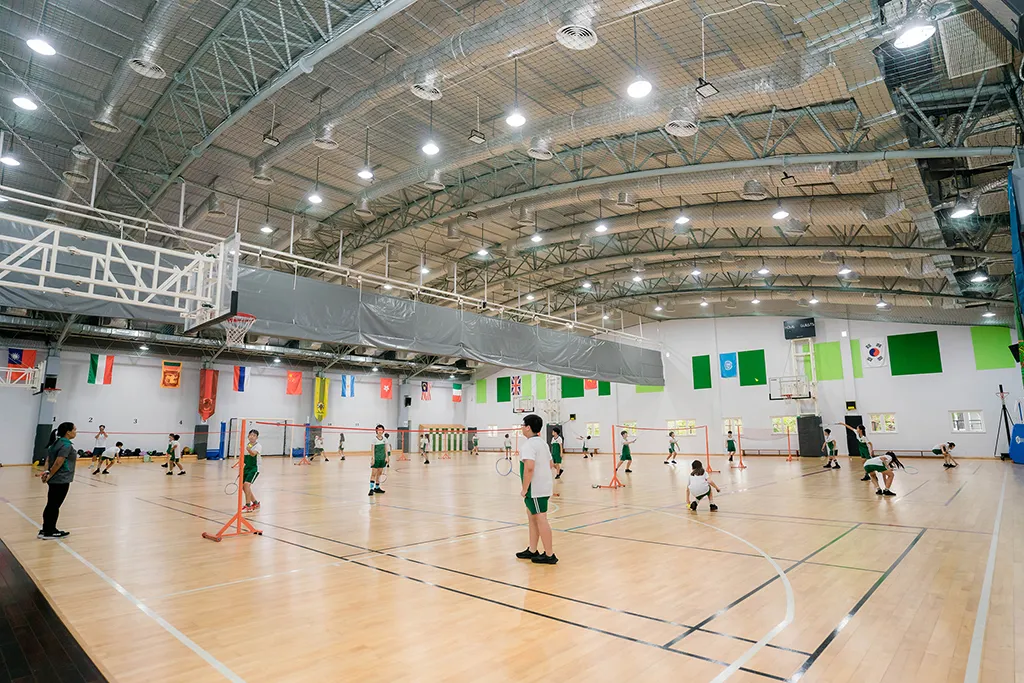
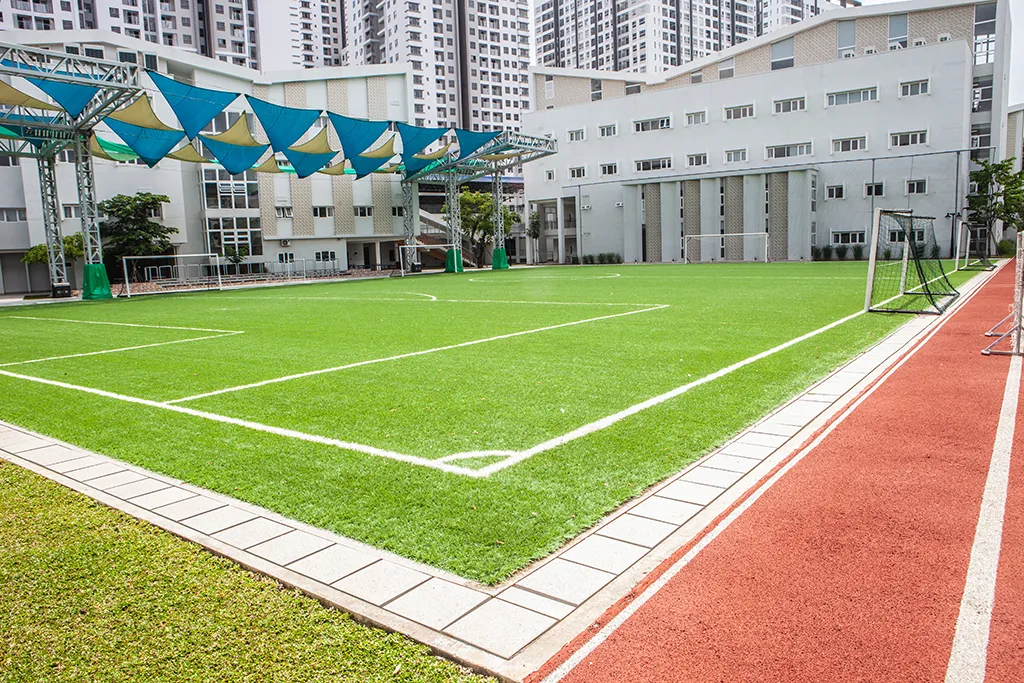
Several schools in the city offer the Cambridge pathway. What matters is whether both stages run continuously, on one campus, with the same teaching staff.
Why Continuity Matters
Changing school between iGCSE and A Level loses teacher knowledge at the worst possible moment. Teachers who took a student through Year 11 already know where the gaps sit.
That knowledge is difficult to replace. A new school meets your child as a transcript rather than as a learner.
The ABCIS Pathway at a Glance
- One continuous route. Ages 2 to 18, from Early Years through to Key Stage 5.
- iGCSE at Key Stage 4. International AS and A Levels follow at Key Stage 5.
- Two campuses. Trung Son and Nha Be, serving more than 650 students.
- Accredited. By Cambridge Assessment International Education and AQA.
- Affiliated. We are members of both COBIS and FOBISIA.
- Four BSO inspections. The most recent, in January 2024, was graded Outstanding.
Thirty Years of British Education in Saigon
The ABC international school (ABCIS) is marking our thirtieth anniversary this year. We remain family owned, and our Principal, Steven Shaw, traces our student centred focus directly to that heritage.
Thirty years means our A Level provision is settled rather than new. Our teachers know how the step up from Year 11 actually feels.
Where Our Students Go
Our students have earned Cambridge Learner Awards in recent years. Over 95% of them progress to university each year.
They go on to study in the United Kingdom, United States, Korea, Canada and Australia. The A Level pathway is what makes that range of destinations possible.
What Happens Alongside the Examinations
A Levels reward students who can argue, research and lead. We build those habits through Model United Nations and the International Award.
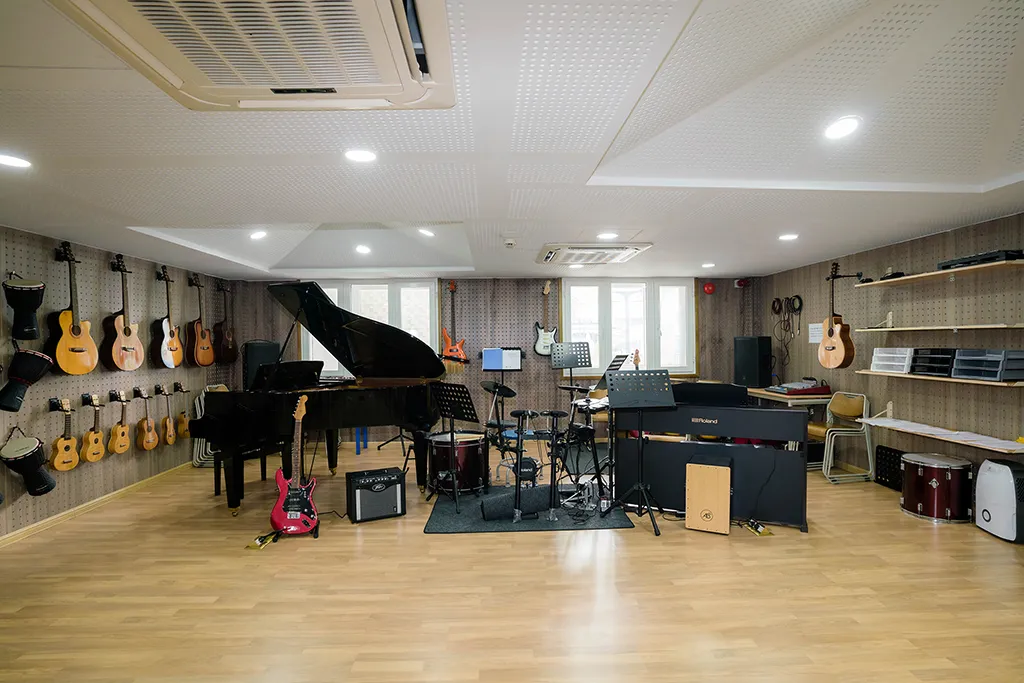
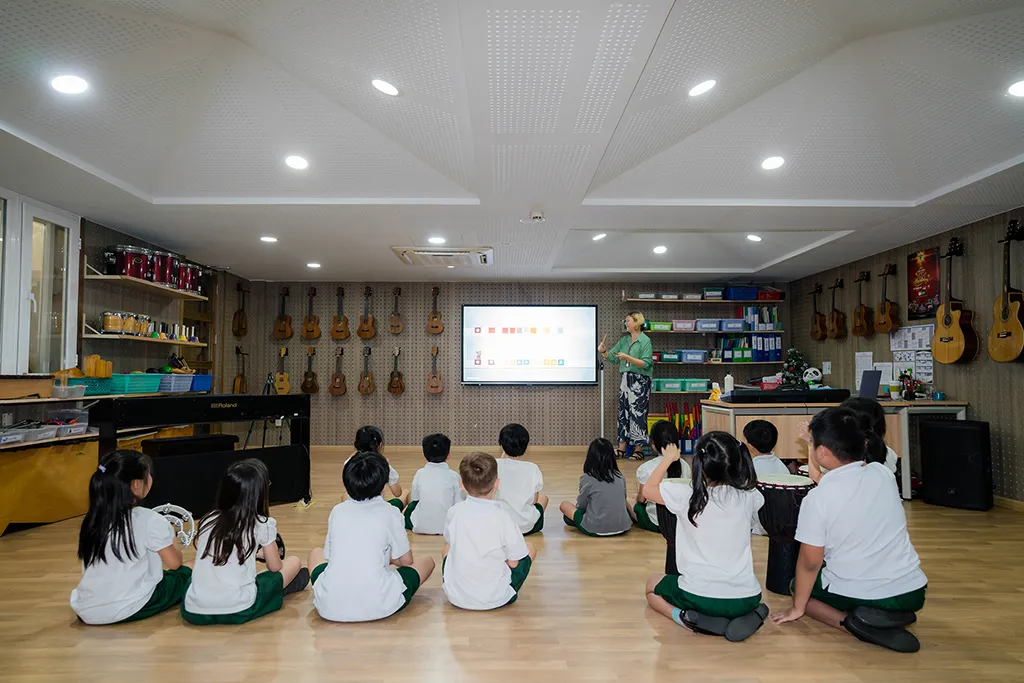
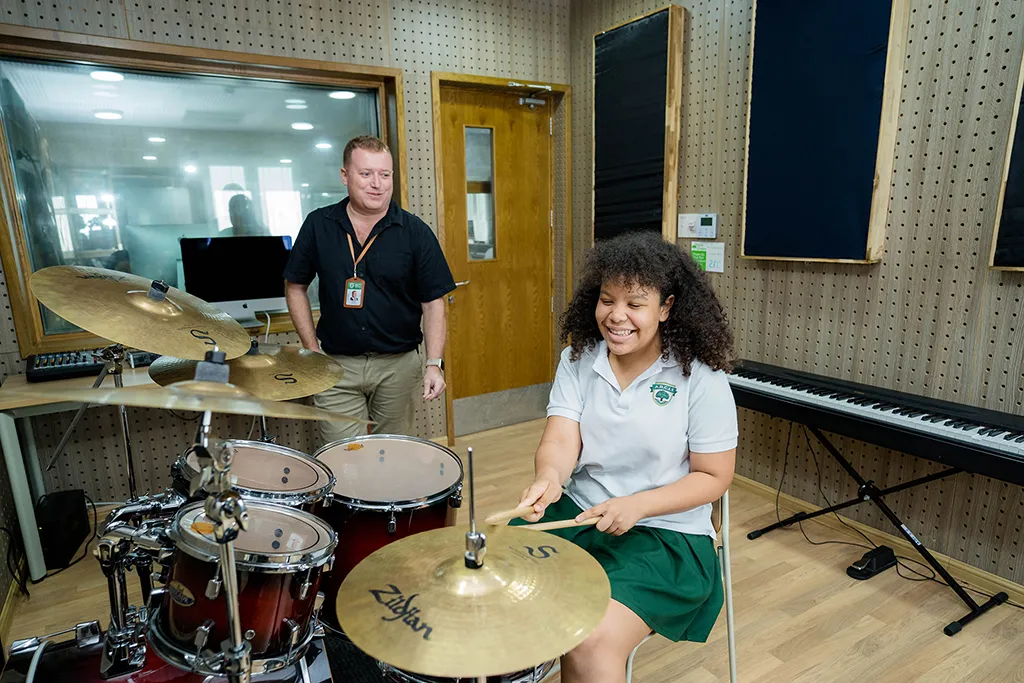
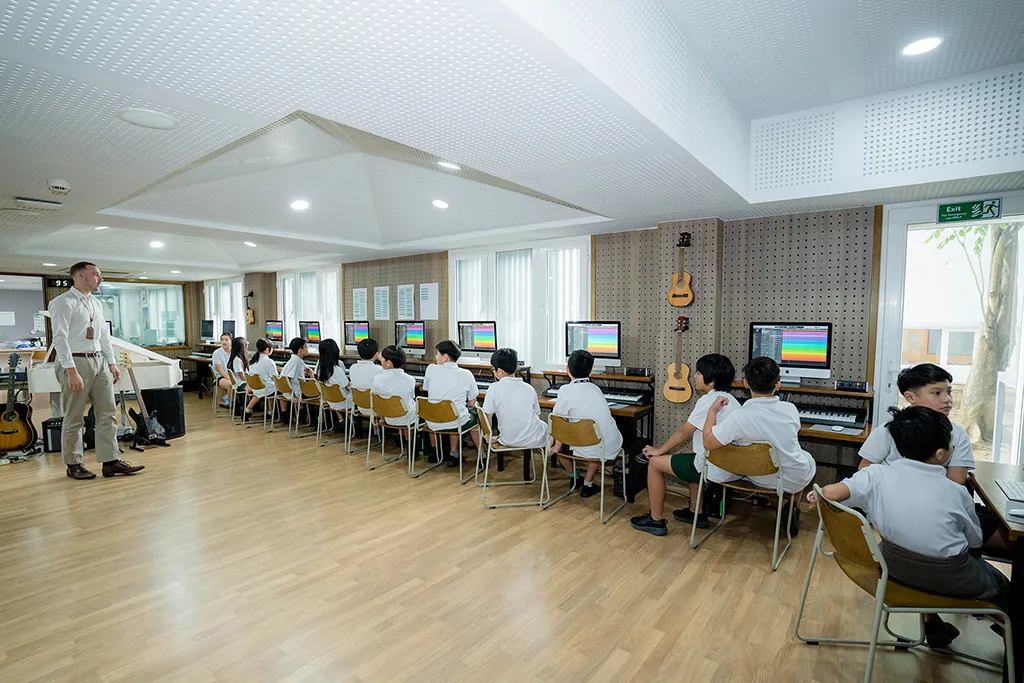
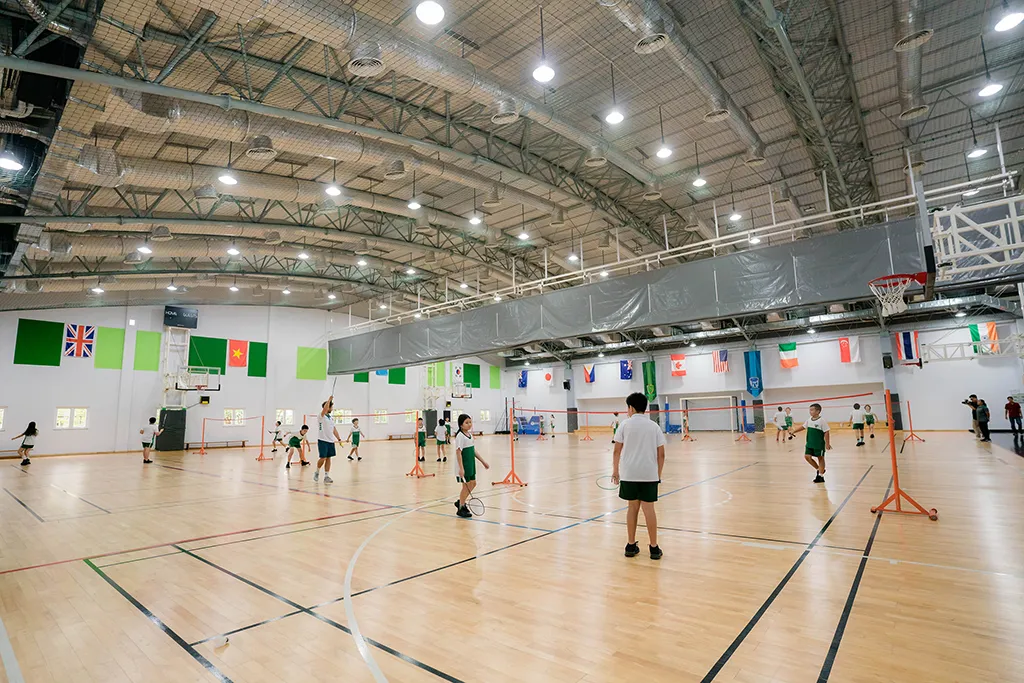
House Teams, sport and music run alongside the academic programme. Universities read the whole application, not only the grades.
What to Ask Any School
- Are both iGCSE and A Levels taught on the same campus?
- Which boards accredit the examinations?
- What are the entry requirements from Year 11 into Year 12?
- How is the transition between the two stages supported?
- What is the university progression record?
A fuller parent checklist for choosing a school covers governance, pastoral care and facilities too.
Treating A Level vs iGCSE as One Pathway
The A Level vs iGCSE question is rarely a genuine either/or decision. It is a question of timing, subject choice and preparation.
The students who do best treat the two as a single four-year plan. They pick iGCSE subjects with A Levels already in mind.
Explore our secondary and sixth form programmes to see this pathway in practice. You can also contact our admissions team to discuss the right route for your child.
- Trung Son Campus: #152-158, Street No. 1, Trung Son, Binh Hung Commune, Ho Chi Minh City, Vietnam
- Nha Be Campus: #2, Street No. 9, Tan An Huy, Nha Be Commune, Ho Chi Minh City, Vietnam
- Phone: +84 (0)28 7308 1828
- Email: office@theabcis.com
Frequently Asked Questions
Yes, considerably. A Level content is deeper, more abstract and less predictable. The bigger change is the thinking required, which shifts from recall towards analysis and argument.
Most schools ask for around five passes at grade C or above, including English and mathematics. Competitive subjects often require a B or higher in the related iGCSE.
It is possible but uncommon. Students transferring from another system usually sit entrance assessments first. Without iGCSE, the jump in independent study is much harder to absorb.
Three is standard and sufficient for most university offers. Four suits only the strongest applicants targeting highly competitive courses. Grade quality matters far more than subject quantity.
Yes. Competitive universities and medical schools review iGCSE profiles alongside A Level predictions. Strong early grades support a credible academic trajectory.
iGCSE broadly corresponds to grades 9 and 10. A Levels broadly correspond to grades 11 and 12. Together the two stages cover four years of upper secondary education.
Yes. A Levels are widely accepted across the United States, Australia, Canada, Singapore and much of Europe. Many universities also grant course credit for high grades.