

The family is the biggest influence on a child’s development. It shapes emotional security, language, values, health and attitudes to learning. That influence lasts from birth to adulthood.
Many parents assume their influence fades once school begins. Research suggests it stays strong right through the teenage years. At The ABC International School (ABCIS), a family-owned school, we see families as partners.
This article explains the role of family in child development at every age. It covers what research shows, parenting styles and working with your child’s school.
Key Takeaways
- Families come first and stay longest. No other influence lasts as long.
- Everyday moments matter most. Conversations, routines and reactions shape a child more than big events.
- Warmth works best with clear expectations. Children need both love and boundaries.
- The role changes, it does not end. Teenagers still need their parents, just differently.
- Home and school work best together. Engaged families are linked to better learning.
What Is the Role of Family in Child Development?
A family provides the relationships, routines and environment in which a child grows. It is where children first learn who they are and how the world works.
A Child’s First and Longest Teachers
Parents teach long before school begins, often without noticing. Every bedtime story, mealtime conversation and calm response to a tantrum is a lesson.
Nature and Nurture Work Together
Children are born with their own temperament. How a family responds to that temperament shapes how it develops.
How Families Shape Each Area of Development
Emotional Development
Children learn to name and manage feelings by watching how adults handle theirs. This is where emotional intelligence begins.
Social Development
Family life is a child’s first practice at sharing, arguing and making up. These early social skills carry into every friendship.
Language and Thinking
Talking, reading aloud and answering questions build vocabulary and curiosity. Children who are spoken with often, not just spoken to, tend to learn faster.
Physical Health and Routines
Sleep, meals, exercise and screen limits are set mainly at home. Steady routines help children concentrate and regulate their mood.
Values and Character
Children absorb values from what adults do far more than from what they say. Honesty, kindness and effort are learnt by example.
What the Research Shows
A Secure Base: Attachment
Psychiatrist John Bowlby described how a reliable, responsive caregiver gives a child a “secure base“. From that base, children feel safe enough to explore.
Children can form secure attachments with several adults. Grandparents and other close carers count too.
“Serve and Return”
Harvard’s Center on the Developing Child describes a back-and-forth it calls “serve and return“. A baby babbles or points, and an adult responds.
The Center explains that these everyday exchanges help build the architecture of the developing brain. Small moments, repeated often, add up.
Circles of Influence
Psychologist Urie Bronfenbrenner showed children growing up inside layers of influence. The family sits at the centre, with school and community around it.
Each circle affects the others. When home and school work together, their influence on a child is far stronger.
Parenting Styles and How They Affect Children
Psychologist Diana Baumrind identified parenting styles based on warmth and expectations. Later researchers added a fourth, the uninvolved style.
| Style | Warmth | Expectations | Often linked with |
|---|---|---|---|
| Authoritative | High | High, with reasons explained | Confidence, self-control and good relationships |
| Authoritarian | Low | High, with little explanation | Obedience, but less independence |
| Permissive | High | Low | Difficulty with self-regulation |
| Uninvolved | Low | Low | The greatest risk to wellbeing |
These are broad patterns, not labels. Most parents move between styles, and culture shapes how each one is experienced.
How the Family’s Role Changes With Age
Early Years (Ages 2 to 5)
This is the age of serve and return, routines and play. The Early Years Foundation Stage builds on what families start at home.
Primary Years (Ages 5 to 11)
Children start comparing themselves with others. Families help most by praising effort, not just results, and by staying interested in school.
This is also the time to build independence. Packing their own bag or managing a small chore teaches responsibility.
Early Teens (Ages 11 to 14)
Friends become more important, and children push for independence. Moving into Key Stage 3 often brings new pressures to talk through.
Older Teens (Ages 14 to 18): From Manager to Coach
Teenagers need less direction and more trust. Parents shift from making decisions to helping their child make good ones.
Big choices about subjects, university and careers come in these years. Teenagers still value their parents’ views, even when they do not show it.
Teenagers do not need parents less. They need them differently.
Family Life in Vietnam
Grandparents and Three-Generation Homes
Many children in Vietnam grow up with grandparents close by or under the same roof. Grandparents often pass on language, stories and traditions.
The key is agreeing on rules, so children are not caught between different expectations.
Academic Pressure and Extra Tuition
Many families invest heavily in extra classes, hoping to give their child an advantage. Too much pressure can reduce the very motivation parents hope to build.
Children also need rest, play and time with family. Helping them balance study and play protects both learning and wellbeing.
Keeping the Home Language Strong
Speaking your home language keeps children connected to family and culture. It also supports English, alongside good English language support at school.
When a Parent Works Away
Some parents travel often or work in another country. Regular calls, shared routines and one-to-one time when home all help.
Does Family Structure Matter?
Children thrive in many kinds of families: two parents, one parent, grandparents or blended families. What matters most is the quality of care.
Warmth, consistency and low conflict between adults make the biggest difference. Ongoing conflict between carers can unsettle children, whatever the family structure.
When Families Go Through Change
A new sibling, a house move or a separation can all unsettle a child. Children cope best when they are told honestly what is happening, in words they understand.
Keep routines as steady as possible, and let the school know. Teachers can then watch for signs a child is struggling.
Simple Habits That Make a Big Difference
- Eat together as often as you can, without screens at the table.
- Talk every day, even for ten minutes, about something other than homework.
- Read together, or simply talk about what each of you is reading.
- Spend one-to-one time with each child, however short.
- Praise effort, not just results.
- Apologise when you get it wrong. It teaches children how to repair mistakes.
How Families and Schools Work Together
The family and the school are the two biggest influences on a child. Our article on the role of school in child development covers the other half.
What the Evidence Says
The UK’s Education Endowment Foundation reports that parental engagement is consistently linked to better academic outcomes. Its toolkit estimates around three months’ extra progress over a year.
What Helps Most
- Show interest in what your child is learning.
- Read together and talk about books.
- Keep regular routines for sleep and homework.
- Talk to teachers early if something seems wrong.
A strong parent-teacher relationship makes all of this easier. Interest in learning matters more than checking every piece of homework.
How We Work With Families at the ABCIS
A Family-Owned School
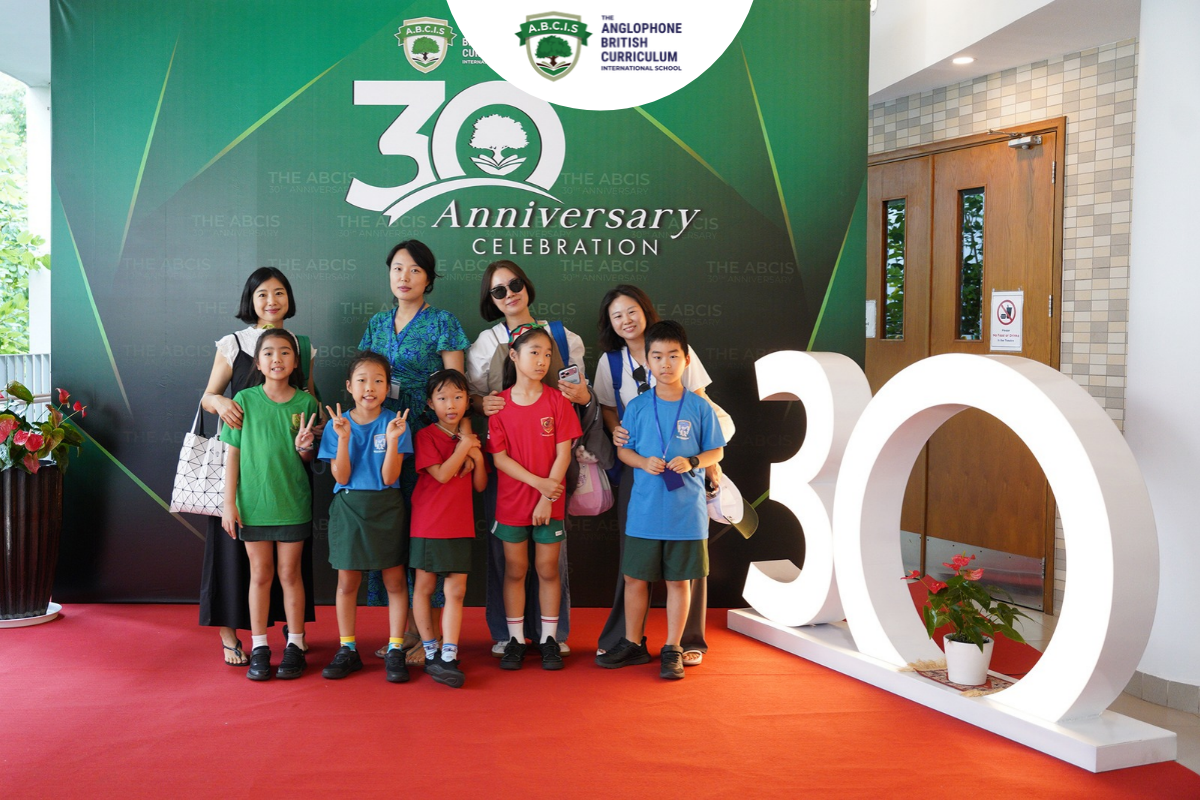
As a family-owned school, we understand how much families shape a child. At the ABC International School (ABCIS), we see parents as partners in their child’s education, not just as visitors at school events. We value open communication and collaboration between families and teachers.
One School From Age 2 to 18
We welcome children from age 2 to 18 across our Trung Son and Nha Be campuses. Families can build a long-term relationship with ABCIS, with continuity throughout their child’s educational journey rather than starting again at each stage.
Belonging Beyond the Family
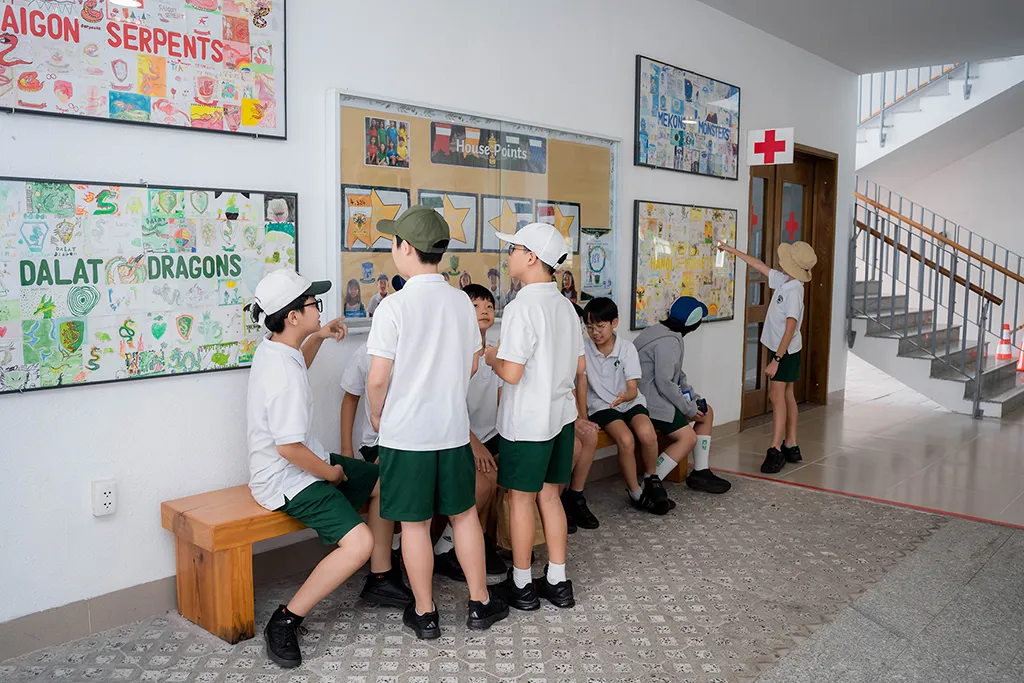
Our House Teams give pupils a second community to belong to. A sense of belonging supports self-confidence and student wellbeing.
Small Moments, Lasting Influence
The role of family in child development is not about getting everything right. It is about showing up, consistently, in small everyday moments.
Your role changes as your child grows, but it never stops mattering. And you do not have to do it alone.
Explore our school and see how we work with families from Early Years to Sixth Form. Our admissions team is always happy to talk.
- Trung Son Campus: #152-158, Street No. 1, Trung Son, Binh Hung Commune, Ho Chi Minh City, Vietnam
- Nha Be Campus: #2, Street No. 9, Tan An Huy, Nha Be Commune, Ho Chi Minh City, Vietnam
- Phone: +84 (0)28 7308 1828
- Email: office@theabcis.com
Frequently Asked Questions
The family shapes a child’s emotional security, language, values, health and attitude to learning. It is the first and longest-lasting influence on development.
The early years lay the foundations, but family influence matters at every age. Teenagers still rely on their parents, in different ways.
Research often links the authoritative style, combining warmth with clear expectations, to the best outcomes. Most parents mix styles, and culture plays a part.
Quality of care matters more than structure. Warmth, consistency and low conflict between adults make the biggest difference.
Grandparents can offer extra love, stability and cultural connection. It helps when all the adults agree on rules.
Show interest, read together and keep steady routines. Focus on effort and curiosity rather than grades alone.
Explain what is happening honestly and simply, keep routines steady and tell the school. Children cope better when they feel informed and supported.
Share what works at home, keep in touch with teachers and attend school events. Raise concerns early, before they grow.